
Crypto fundamentals
Crypto fundamentals cover how blockchains work, what makes Bitcoin and Ethereum different, and the vocabulary every investor needs before touching a wallet or a trade. Start here if you are new — or if you want a clearer mental model of the system underneath the charts.
 Fundamentals
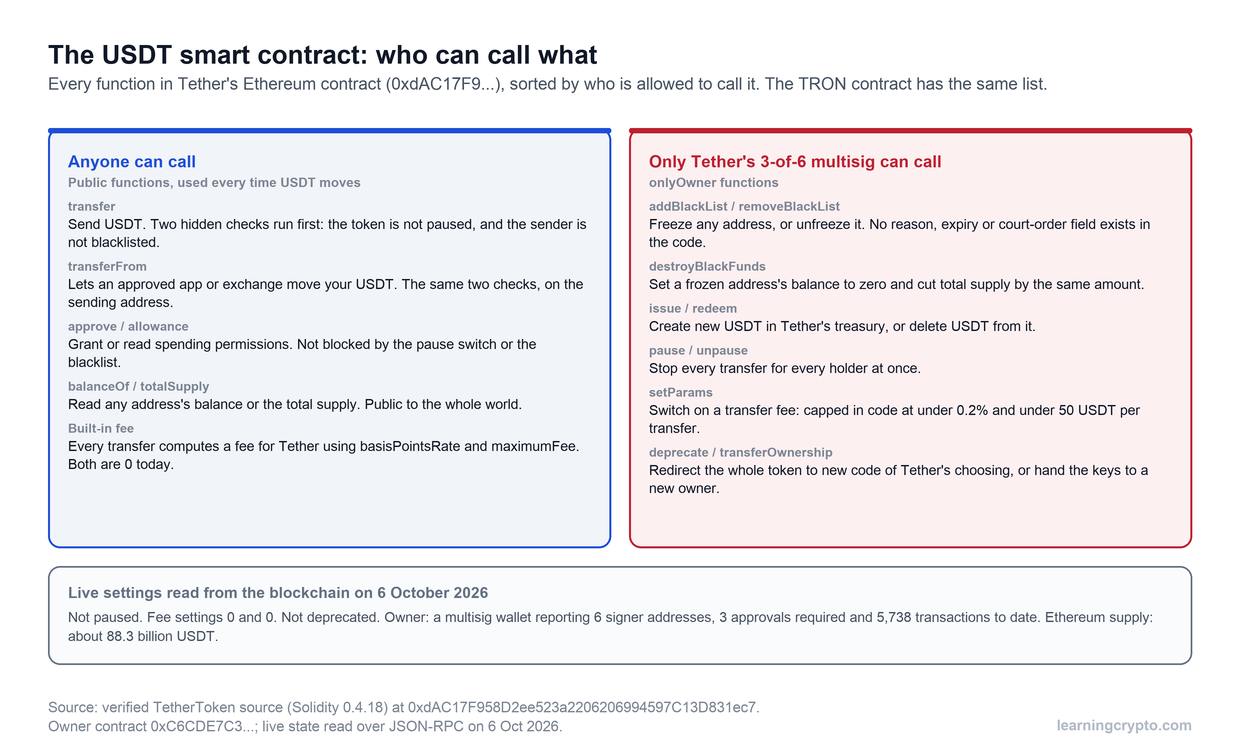
What They're Hiding in the Tether Smart Contract: Every Function Explained
Tether's USDT contract is public code, and it gives one party special powers. Anyone can send tokens, but only Tether's 3-of-6 multisig can mint, redeem, pause the whole token, freeze any address and wipe its balance to zero. In 2025 Tether froze $1.26 billion across 4,163 addresses and destroyed 55.6% of it. Here is every function in plain English.
Toby CunninghamFundamentals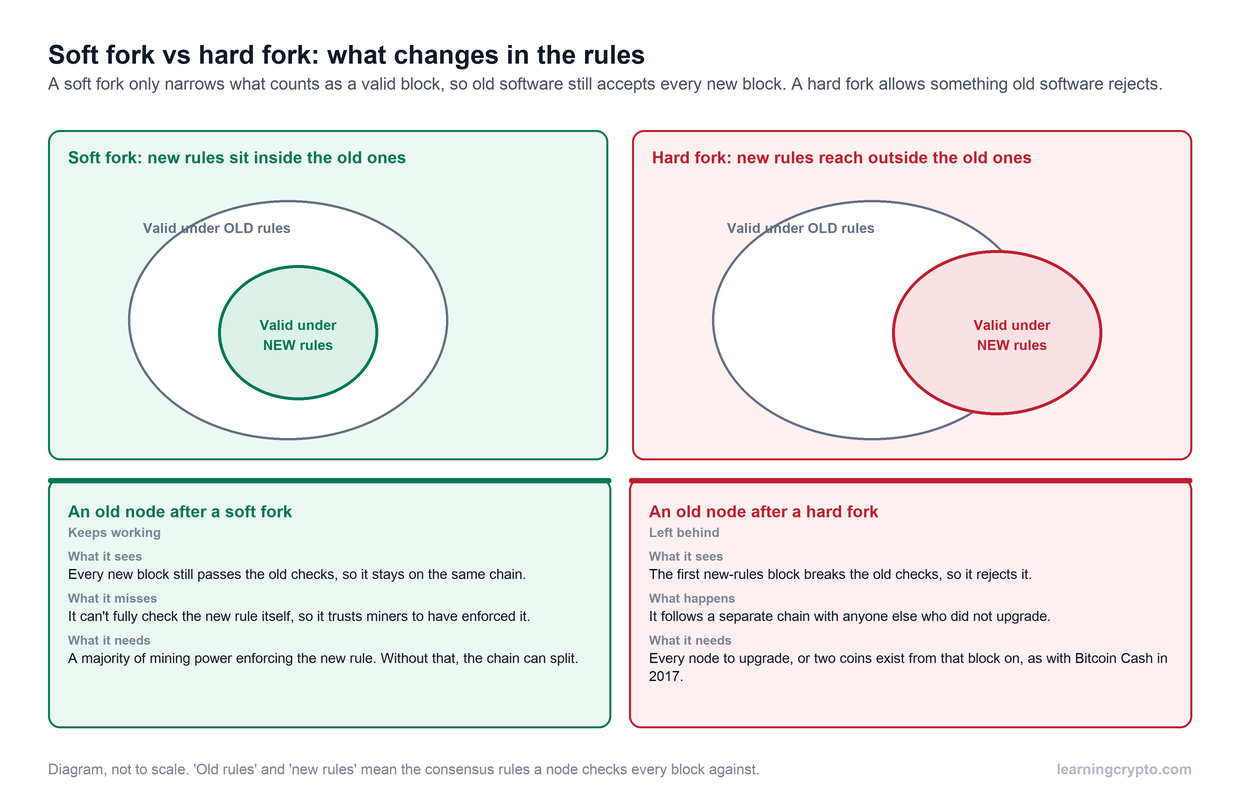 Fundamentals
What Is a Soft Fork? How Blockchain Upgrades Work Without a Split
A soft fork is a backward-compatible change to a blockchain's rules. It tightens what counts as a valid block, so nodes that don't upgrade still accept new blocks and the network stays on one chain, with no new coin created. It needs most miners to enforce it. Bitcoin's SegWit (2017) and Taproot (2021) are the best-known examples.
Toby CunninghamFundamentals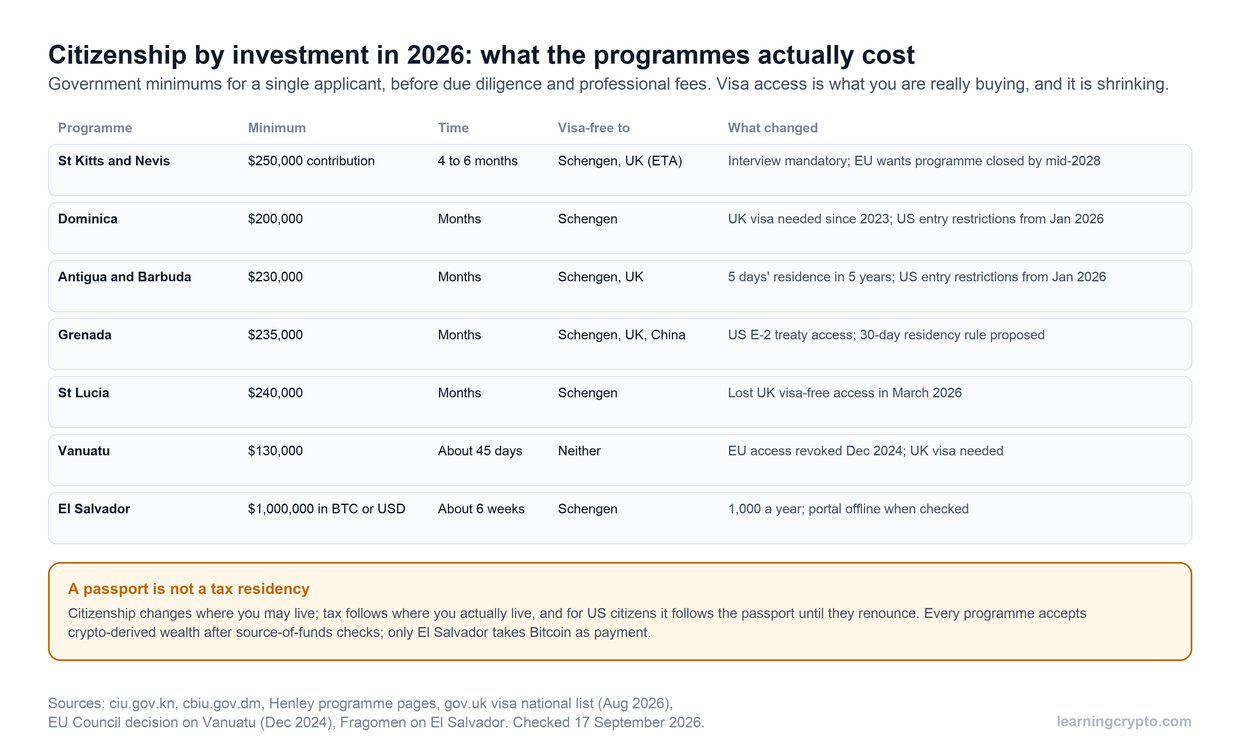 Fundamentals
Second Citizenship by Investment for Crypto Holders: What It Costs in 2026 and What We Learned Doing It
Citizenship by investment gives you a second passport for a government contribution, from about $200,000 in the Caribbean to $1 million in El Salvador, after source-of-funds checks that accept crypto wealth. It buys optionality, not a tax break: a passport is not a tax residency. Heidi got St Kitts citizenship in 2018; here is what changed since and what to check before paying anyone.
Heidi ChakosFundamentals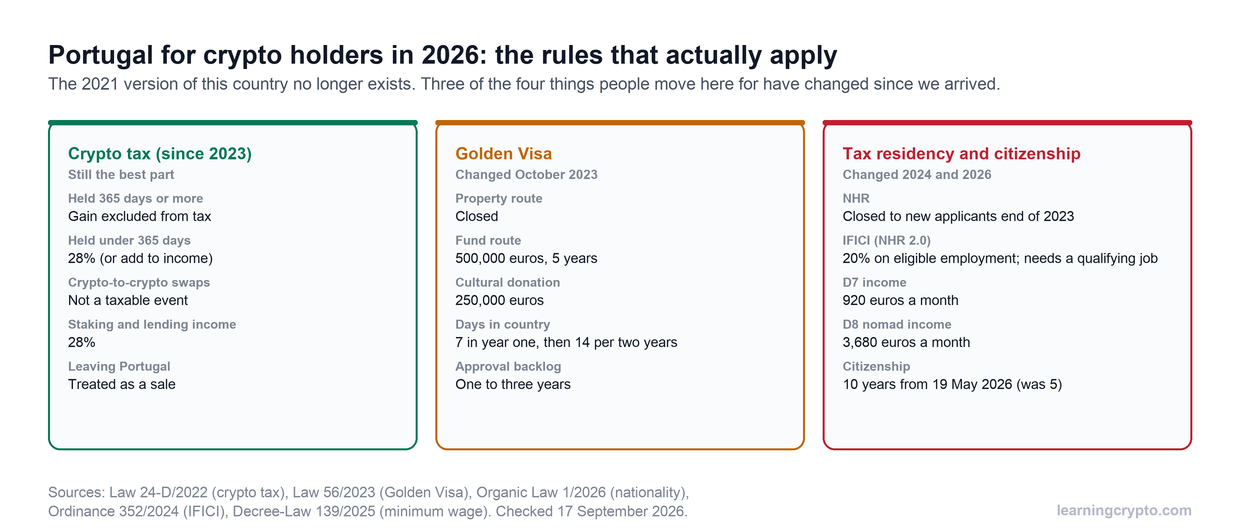 Fundamentals
Portugal Residency and Crypto Taxes in 2026: What Changed and What We've Learned Living Here
Portugal still excludes gains on crypto held 365 days or more and does not tax crypto-to-crypto swaps, but almost everything else has changed: the Golden Visa property route closed in 2023, NHR closed to newcomers, and from 19 May 2026 citizenship takes 10 years of residence instead of 5. We moved here in 2021; this is the 2026 picture.
Heidi ChakosFundamentals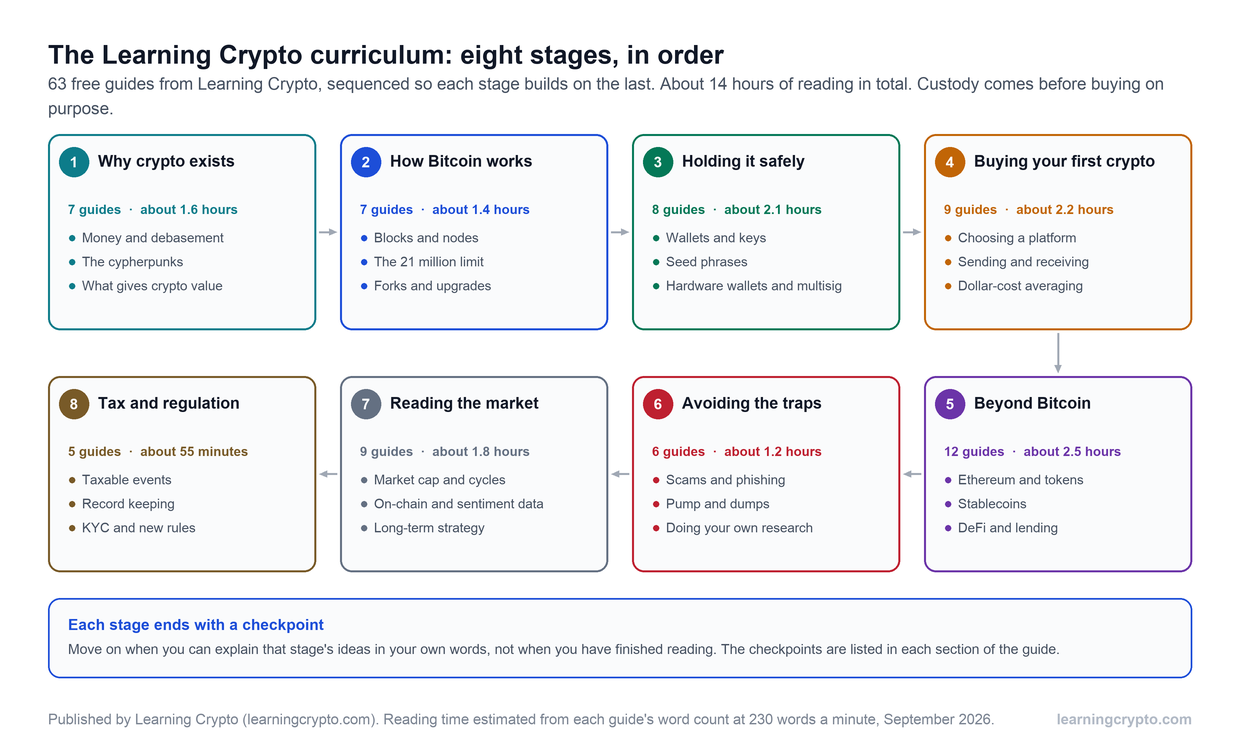 Fundamentals
How to Learn Crypto: A Free, Step-by-Step Curriculum
The best way to learn crypto is in order: why it exists, how Bitcoin works, how to hold it safely, how to buy, then tokens, risks, markets and tax. This free Learning Crypto curriculum puts 63 of our guides into eight stages, about 14 hours of reading, with a checkpoint at the end of each stage.
Heidi ChakosFundamentals Fundamentals
How Yield-Bearing Stablecoins Work and Are They Safe?
Yield-bearing stablecoins are dollar-pegged tokens that pay returns simply for being held, unlike USDT or USDC where the issuer keeps the interest on reserves. Yield comes from Treasury bills (USDY, USDM), DeFi lending (sDAI, sUSDS) or delta-neutral derivatives (sUSDe), mostly 4% to 7% in 2026 with derivatives-based yields swinging wider. Not savings accounts: depegs, contract bugs, variable yield and US access limits are real.
11 min read/Heidi ChakosFundamentals Fundamentals
The Best Crypto Podcasts Worth Listening To in 2026
The best crypto podcasts in 2026 are Bankless (Ethereum and DeFi), What Bitcoin Did (Bitcoin-first and beginner friendly), Unchained (regulation and journalism), Stephan Livera (deep Bitcoin economics), Empire (markets and industry), Coin Bureau (hype-free education) and The Defiant (DeFi follow-along). Pick two or three that match your level instead of listening to everything, and favor hosts who challenge guests and disclose sponsors.
11 min read/Heidi ChakosFundamentals Fundamentals
A No-Nonsense Guide to Spotting Crypto Scams
Crypto scams took an estimated $17 billion globally last year, with $11.4 billion in US losses reported to the FBI. The main types are phishing, rug pulls, pig butchering, impersonation and deepfakes, fake wallets and exchanges, and address poisoning. Transactions are irreversible, so prevention is on you: never share a seed phrase, verify full addresses, check liquidity locks and audits, and distrust urgency.
16 min read/Heidi ChakosFundamentals Fundamentals
USDT vs USDC Compared: Reserves, Risks, and Which Is Safer
USDC is the lower-risk stablecoin on fundamentals: its reserves are cash and short-dated Treasuries, attestations are monthly, and Circle is authorized under MiCA and the GENIUS Act. USDT has deeper liquidity, more chains, and dominates offshore trading, but its reserves include secured loans and bitcoin, it lacks a Big Four audit, and it is not MiCA compliant. USDC for savings; USDT for high-volume offshore trading.
11 min read/Heidi ChakosFundamentals Fundamentals
TradFi vs DeFi and The Birth of 'Invisible' Finance
TradFi and DeFi do the same jobs, holding, moving and lending money, but TradFi runs on permission and trust in institutions while DeFi runs on open code and self-custody. The five real differences are access, custody, yield, regulation and speed. The test that matters: if you hold the keys you are in DeFi; if an exchange or bank holds them you are in TradFi.
14 min read/Heidi ChakosFundamentals Fundamentals
What is Liquid Staking? Your Guide to Flexible Crypto Rewards
Liquid staking lets you stake crypto for network rewards while receiving a tradeable liquid staking token (LST), such as Lido's stETH or Rocket Pool's rETH, that represents your position. You can trade, lend, or post the LST as collateral while the stake keeps earning, with no 32 ETH minimum. The trade-offs: smart contract risk, LSTs trading below peg under stress, slashing, and concentration in Lido.
Heidi ChakosFundamentals Fundamentals
What Is RWA Tokenization? Real World Assets on the Blockchain Explained
RWA tokenization creates a blockchain token that represents a legally defined claim on an off-chain asset such as property, gold, Treasury bills, or private loans. A token is only as good as the legal wrapper, custodian, and redemption mechanics behind it. Private credit is the largest segment, tokenized Treasuries passed $10 billion in early 2026, and PAXG and XAUT dominate gold. Key risks: regulation, liquidity.
17 min read/Heidi ChakosFundamentals Fundamentals
Understanding MEV in Crypto: Maximal Extractable Value Explained
MEV (Maximal Extractable Value, originally Miner Extractable Value) is the extra profit a block producer or bot captures by choosing which transactions enter a block and in what order. It is a structural feature of public blockchains, not a hack. Front-running and sandwich attacks give DeFi traders worse prices, while arbitrage keeps DEX prices in sync. Tight slippage and private relays reduce exposure.
Heidi ChakosFundamentals Fundamentals
What Is a DAO in Crypto? A Guide to Decentralized Autonomous Organizations
A DAO (Decentralized Autonomous Organization) is a community-run organization governed by smart contracts and token-holder votes rather than a CEO or board. Its rules and treasury live on a blockchain, and funds move only when a vote passes. DAOs now govern protocols like Uniswap and Aave, hold over $24 billion in treasuries, and can gain legal status under Wyoming's DUNA. Voter apathy is their weakness.
13 min read/Heidi ChakosFundamentals Fundamentals
CBDCs vs Cryptocurrency: Central Control vs Financial Freedom
A CBDC is digital currency issued and controlled by a central bank; cryptocurrency runs on a decentralized network no single party controls. CBDCs record every transaction, can carry spending conditions and can be frozen directly, while Bitcoin's supply is fixed at 21 million and self-custodied coins cannot be seized. Over 130 countries are exploring CBDCs; the US is legislating against one.
Heidi ChakosFundamentals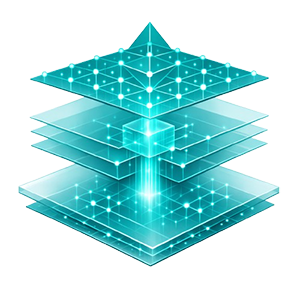 Fundamentals
What Is a zk-Rollup? Scaling Without Trust
A zk-rollup is an Ethereum Layer 2 that executes transactions off-chain, batches thousands of them, and posts a cryptographic validity proof plus compressed data back to Ethereum, where a verifier contract checks it. Transactions are final once the proof is accepted, so withdrawals take minutes instead of the 7-day window on optimistic rollups, and fees fall to fractions of a cent.
Heidi ChakosFundamentals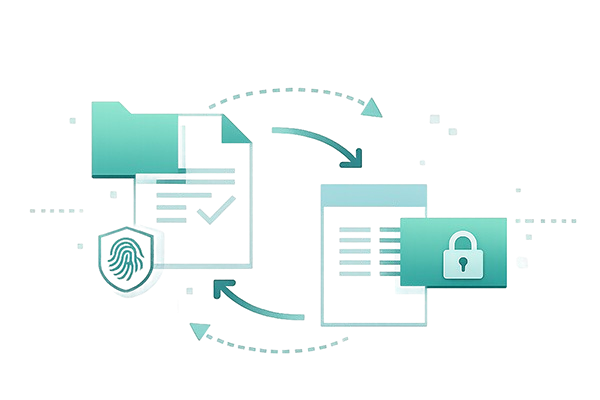 Fundamentals
What Are Zero-Knowledge Proofs? A Simple Explanation of ZK Proofs
A zero-knowledge proof is a cryptographic method that lets one party (the prover) convince another (the verifier) that a statement is true without revealing any of the underlying data. Every valid proof is complete, sound, and zero-knowledge, and blockchains use the non-interactive kind. zk-SNARKs (Zcash, Mina), zk-STARKs (Starknet), and Bulletproofs (Monero) trade off proof size, trusted setup, and quantum resistance.
Heidi ChakosFundamentals Fundamentals
What Are Privacy Coins and Are They Legal?
Privacy coins are cryptocurrencies that use cryptography (stealth addresses, ring signatures, zk-SNARKs, CoinJoin) to hide who sent what to whom. Owning them in a private wallet is legal in most countries, including the US; restrictions target exchanges, not holders. Japan and South Korea banned exchange listings, India prohibited exchange dealings in 2026, and the EU's AMLR bars licensed providers from handling them from July 2027.
Heidi ChakosFundamentals Fundamentals
What Is Pepe Coin? A Look at the Token Behind the Meme
Pepe Coin (PEPE) is an ERC-20 meme token deployed on Ethereum on April 17, 2023 by anonymous developers, using Matt Furie's Pepe the Frog without his involvement. It has a fixed supply of 420.69 trillion tokens, no transaction tax, a renounced contract and no real use case. It hit a $1 billion market cap in three weeks and peaked above $11 billion in December 2024.
Heidi ChakosFundamentals Fundamentals
What Is Ape Protocol? The Complete Guide to ApeCoin and ApeChain
Ape Protocol is the ecosystem behind ApeCoin (APE) and ApeChain, a Layer 3 on Arbitrum with 0.25-second blocks, sub-cent fees and native yield on bridged assets. APE is a fixed-supply 1 billion ERC-20 token used for gas, governance and Otherside purchases. In 2025 holders voted 98% to replace the DAO with ApeCo; by early 2026 APE traded near $0.10, down 99.6% from its high.
Heidi ChakosFundamentals Fundamentals
What Is SocialFi? The Future of Social Media on the Blockchain
SocialFi (social finance) combines social media with decentralised finance so users own their identity, content and social graph on-chain and earn directly from their audience through social tokens, NFTs and tipping. Farcaster, Lens Protocol and DeSo are the main platforms today. The infrastructure is real, but user numbers are small, wallets and gas fees remain friction, and Friend.tech showed how fast speculation-driven platforms collapse.
Heidi ChakosFundamentals Fundamentals
How to Create Your Own Cryptocurrency
You can create your own cryptocurrency in under ten minutes for less than $5 on an instant launch platform like Pump.fun, spend $50 to $500 on a no-code generator, or pay $5,000 to $50,000+ for custom development. Launching is the easy part. Tokenomics, Howey Test compliance, locked liquidity and a real community decide whether it survives; 53% of tokens launched since 2021 are defunct.
Heidi ChakosFundamentals Fundamentals
What Is DeSci (Decentralized Science) and How It’s Changing Research
DeSci (Decentralized Science) applies blockchain, DAOs and tokenized ownership to research so funding is voted on transparently, findings are published openly, peer reviewers get paid and discoveries can be co-owned through IP-NFTs. It does not replace universities or journals; it fills the gaps they leave. VitaDAO has deployed over $10 million across 20+ longevity projects, and HairDAO was the first DAO to file a patent.
Heidi ChakosFundamentals Fundamentals
How Do Bitcoin ATMs Work? A Beginner’s Guide
Bitcoin ATMs are cash-to-crypto kiosks run by private operators, not banks. You verify a phone number, scan your wallet's QR code, feed in cash, and the machine buys Bitcoin through an exchange and sends it to your address within minutes. Total fees typically run 10 to 25%, versus under 1% on online exchanges, so they only make sense for small, urgent cash purchases.
Heidi ChakosFundamentals Fundamentals
What Is ERC-20? The Standard Behind Ethereum Tokens
ERC-20 is the technical standard that defines how fungible tokens work on Ethereum. Six required functions (totalSupply, balanceOf, transfer, transferFrom, approve and allowance) make every compliant token work with the same wallets, exchanges and smart contracts. That shared language is why MetaMask can hold thousands of tokens and why DeFi protocols plug together, though compliance says nothing about whether a token is legitimate.
Heidi ChakosFundamentals Fundamentals
What Are Nodes in Crypto and How Do They Power Blockchain Networks?
A blockchain node is any computer running the network's software. It stores transaction history, checks that new transactions follow the rules, and relays blocks to its peers, so thousands of independent machines replace a central server. Full nodes verify everything (Bitcoin's chain is over 500GB), light nodes keep only block headers, and validators and miners also produce blocks. Most users never need to run one.
Heidi ChakosFundamentals Fundamentals
What Is a Fork in Crypto? Hard Forks vs. Soft Forks Explained
A fork in crypto is a change to a blockchain's protocol rules. A soft fork is backward-compatible, so the network stays on one chain, as with Bitcoin's SegWit. A hard fork is incompatible and can split the chain in two, which is how Bitcoin Cash (2017) and Ethereum Classic (2016) were created. Holders with their own private keys usually get coins on both chains.
Heidi ChakosFundamentals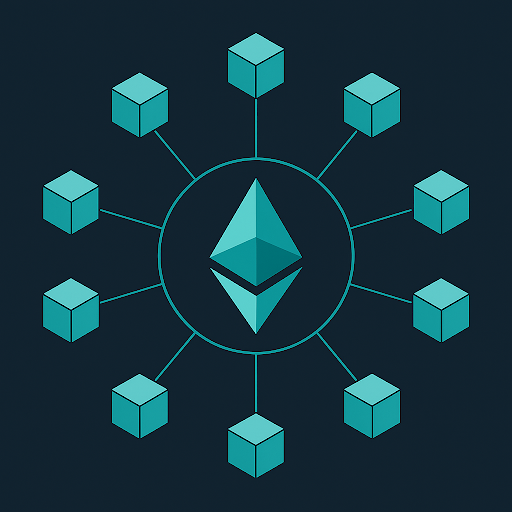 Fundamentals
What Does EVM Mean in Crypto? Ethereum Virtual Machine Explained
EVM stands for Ethereum Virtual Machine, the software environment that executes smart contracts on every Ethereum node so all of them reach the same result. EVM-compatible chains such as Arbitrum, Optimism, Base, Polygon and BNB Chain run the same bytecode, which is why MetaMask and Uniswap work across them. Gas units are identical on every EVM chain; only the gas price differs.
Heidi ChakosFundamentals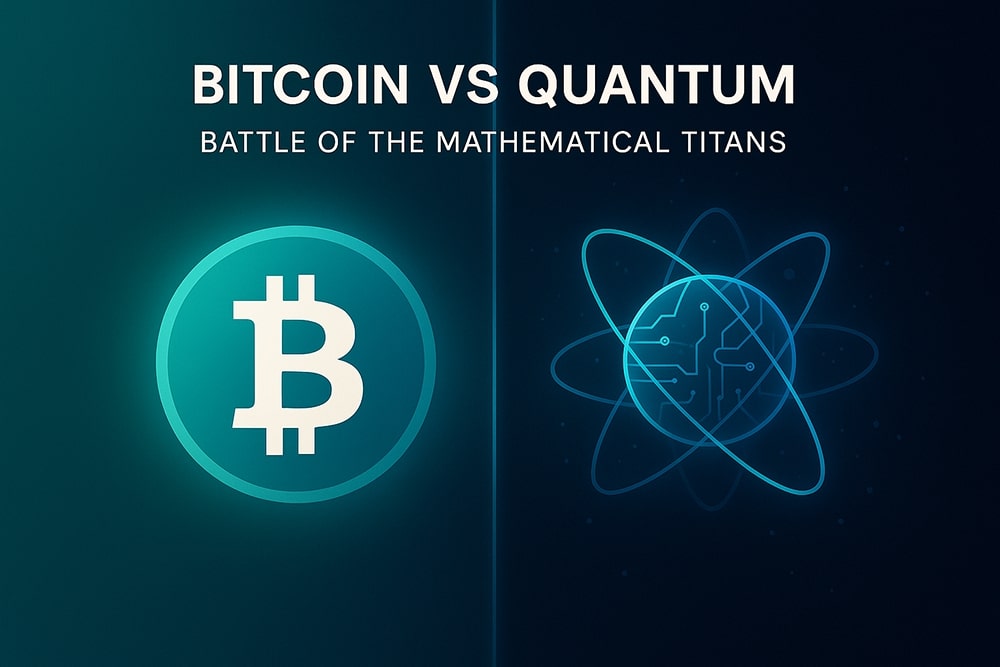 Fundamentals
Will Quantum Computers Break Bitcoin? Battle of the Mathematical Titans
Quantum computers will not break Bitcoin anytime soon. Cracking its ECDSA signatures would need roughly 13 million stable, error-corrected qubits, while today's best machines have fewer than 1,500 noisy physical qubits. Experts put the realistic threat window at 2035 to 2045, and Bitcoin can adopt NIST-standardized post-quantum signatures through a soft fork. Until then, never reuse addresses and move coins out of old P2PK addresses.
Heidi ChakosFundamentals Fundamentals
A Complete Guide to Crypto Margin Trading
Crypto margin trading is borrowing money from an exchange, with your own crypto as collateral, to buy more cryptocurrency than your balance allows, typically at 2x to 5x. You own what you buy but owe the loan plus interest, and if collateral falls below the maintenance margin you face a margin call or liquidation. Interest can hit 1 to 2% per day.
Toby CunninghamFAQ
What should I learn first in crypto?
Start with how blockchain works, then Bitcoin versus Ethereum, then wallets and self-custody. Those three pillars unlock almost everything else.
Are crypto fundamentals still useful after years in the market?
Yes. Cycle after cycle, the people who keep capital are the ones who understand settlement, custody, and incentive design — not just price action.