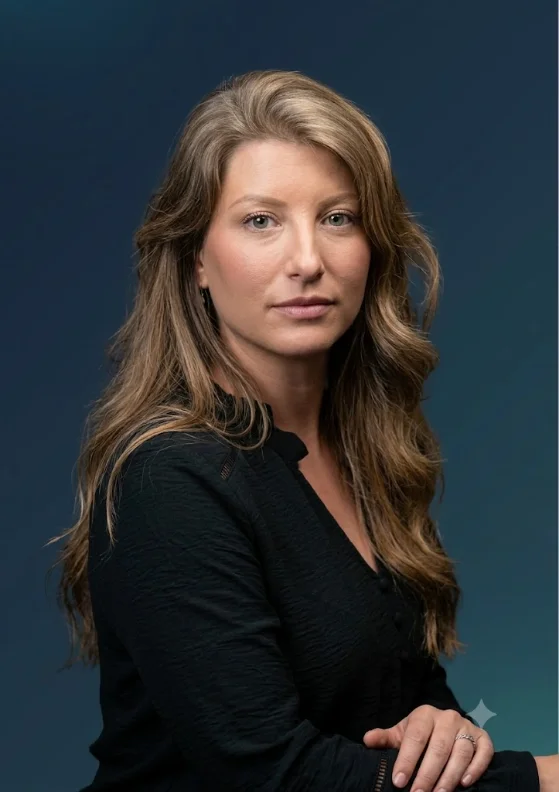
I got my second citizenship in 2018, when almost nobody in crypto was talking about it. Since then the price has roughly doubled, interviews and biometrics have become mandatory, Europe has put a deadline on the whole Caribbean industry, and three new programmes have opened for less than $100,000. This guide is for a crypto holder who wants to know what a second passport actually does, what it costs now, and how to avoid the agents who will happily take your money for a programme that does not exist.
Disclosure: we work with a citizenship concierge service and may be paid if you engage them through this page. This is education, not legal or tax advice. Programme rules and prices were checked against official programme pages on 17 September 2026 and change often; the numbers here are government minimums before due diligence, legal and agent fees.
What does a second passport actually give you?
A place you have the right to live, work and leave for, whatever happens where you are now. That is the whole product. I put it this way in a video in March 2026: you would not keep every coin on one exchange, so why keep your citizenship, residency, banking and assets in one jurisdiction?
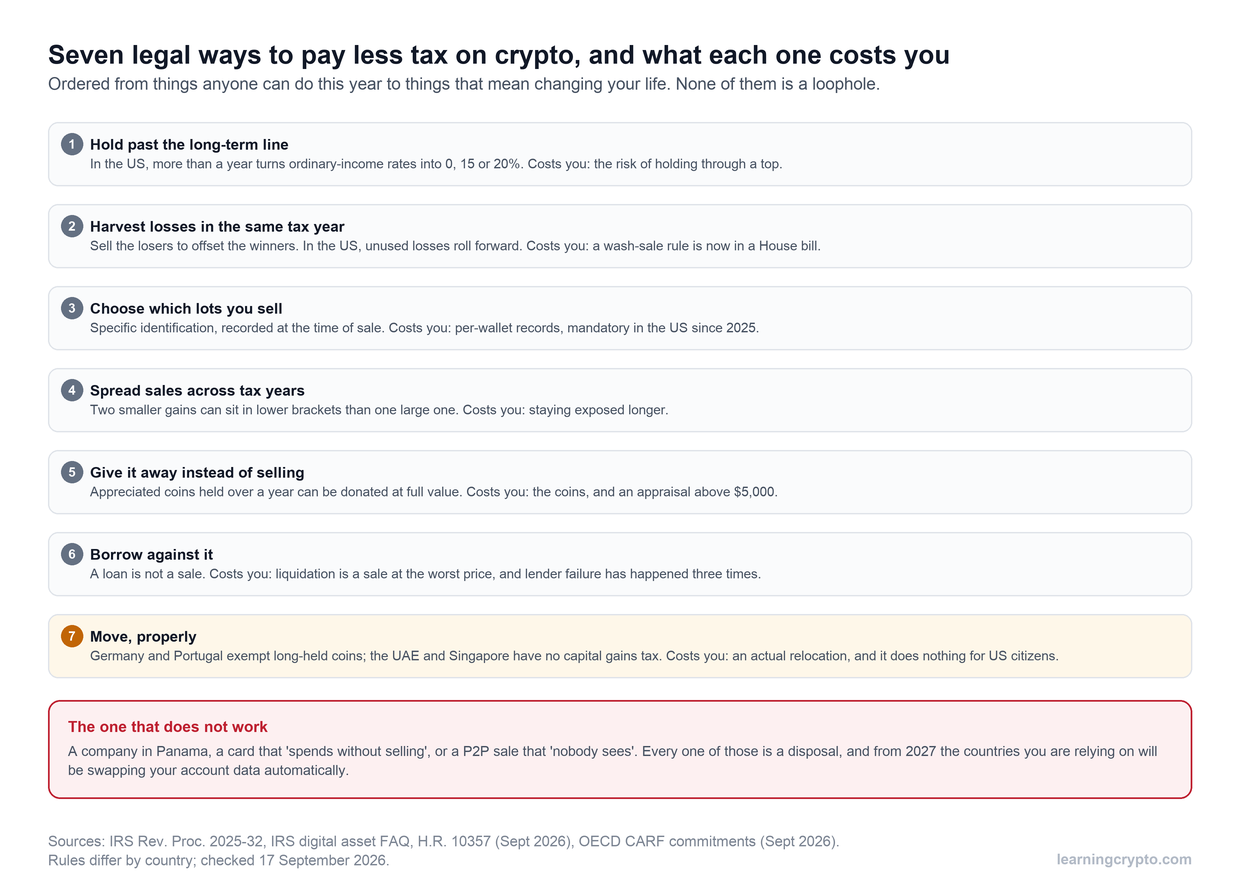
What it does not give you is a tax break. Citizenship changes where you may live; tax follows where you do live, and for Americans it follows the passport until they formally renounce. I got St Kitts citizenship so that I could renounce, which I did two weeks after the passport arrived. Most people do not want that, and for them the second passport is insurance and mobility, nothing more. Our guide to legally reducing crypto taxes covers what moving does and does not do.
How did we get ours, and what has changed since?
I applied to St Kitts and Nevis in 2018 through Jennifer Harding of JH Marlin, a lawyer based on the island, using the government contribution route rather than real estate. Everything was physical then: a checklist of documents, a local notary, and one large envelope that I remember thinking held my life. The first time I used the passport was flying from the Bahamas to London, and I was nervous at the desk for no reason at all; it has since taken me through Europe and Asia without a question beyond "where is this country?"
My September 2020 conversation with Jennifer Harding, the lawyer who handled my application: how the programme works, what the paperwork involves, and the mistakes applicants make. Watch it on our CryptoTips channel.
Three things are different now.
- Price. When Jennifer and I spoke in 2020, a family of four could apply for $150,000. The Eastern Caribbean states agreed a $200,000 floor in 2024, and St Kitts now asks $250,000 for a single applicant or a family of four.
- Scrutiny. Every main applicant to St Kitts now has a mandatory interview, and from April 2026 all citizens by investment must enrol biometrics. Applications are digital, and source-of-funds checks are thorough; crypto statements are accepted as proof of wealth, but expect to explain the history.
- Access. Visa-free travel is what most buyers are paying for, and governments have started withdrawing it. The details are in the next section.
What do the programmes cost in 2026?
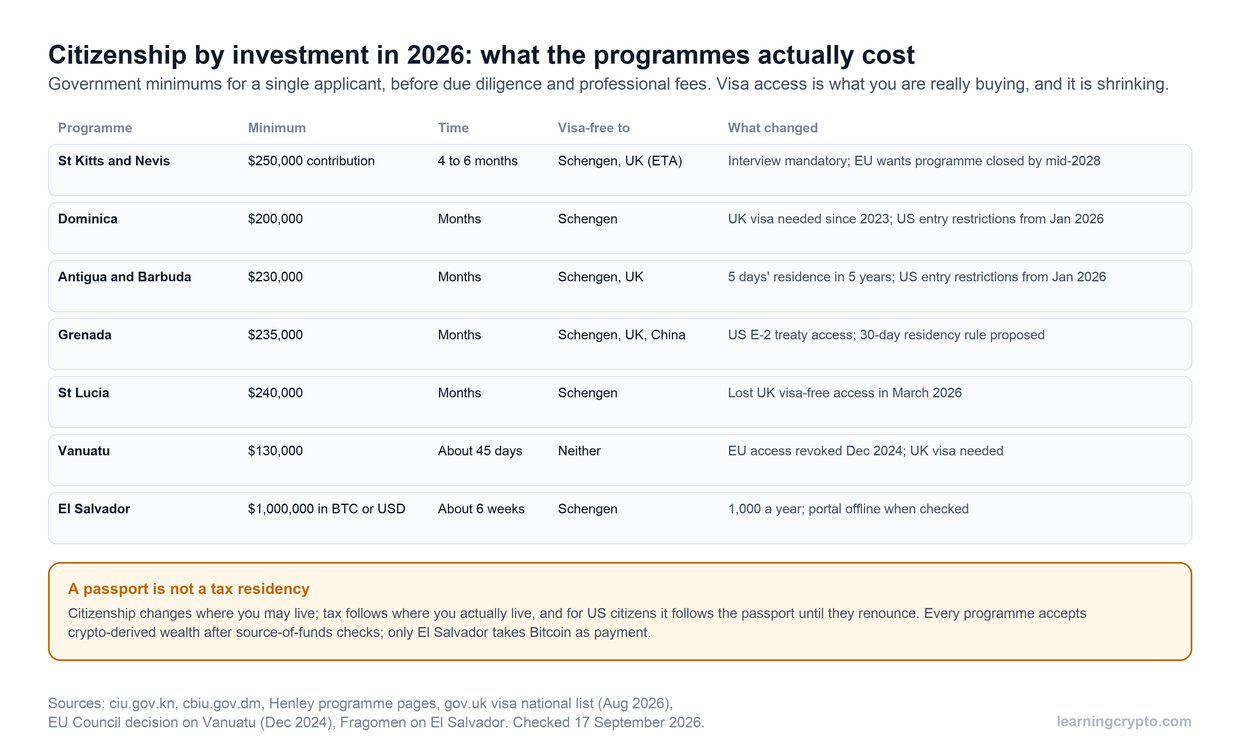
The right-hand column is the one to read. Two of these passports lost UK access in the last three years, one lost Europe, and all five Caribbean programmes are under a European deadline.
| Programme | Government minimum (single applicant) | Typical time | Notes |
|---|---|---|---|
| St Kitts and Nevis | $250,000 contribution, or $325,000 real estate held 7 years | 4 to 6 months | Mandatory interview; $10,000 due diligence; visa-free to Schengen and the UK (with an ETA) |
| Dominica | $200,000 | Months | UK visa required since 2023; US entry restrictions since January 2026 |
| Antigua and Barbuda | $230,000 | Months | Must spend 5 days there in the first 5 years; US entry restrictions since January 2026 |
| Grenada | $235,000 | Months | Visa-free to China; access to the US E-2 investor visa treaty |
| St Lucia | $240,000 | Months | Lost UK visa-free access in March 2026 |
| Vanuatu | $130,000 | About 45 days | Europe revoked visa-free access in December 2024; UK visa required |
| Nauru | $90,000 offer to end of 2026, plus fees | 3 to 4 months | Opened January 2025; no Schengen or UK access |
| São Tomé and Príncipe | $95,000 including fee | About 6 weeks | Opened 2025; about 60 destinations; UK visa required |
| El Salvador | $1,000,000 in Bitcoin or dollars | About 6 weeks | 1,000 a year; Schengen yes, UK visa required; official portal was offline when we checked |
Sources: the St Kitts and Nevis Citizenship by Investment Unit, the UK visa national list, the Nauru programme and Henley programme pages for the rest. Malta, the last European Union programme, was ruled unlawful by the EU's top court in April 2025 and has closed. Serbia's "citizenship by exception" is a discretionary government decision, not a programme with a price, whatever an agent's brochure says.
My April 2026 run through the newer and faster options: Vanuatu, São Tomé, El Salvador, Nauru, St Kitts and Serbia, and why redundancy beats concentration. One correction: El Salvador's passport does not give visa-free access to the UK. Watch it on our CryptoTips channel.
What is Europe about to do?
On 25 June 2026 the European Commission wrote to all five Eastern Caribbean states asking them to end their programmes by 1 June 2028 or face suspension of visa-free travel to the Schengen area, using a visa suspension mechanism strengthened at the end of 2025. Nothing has been suspended yet, and existing citizens are not stripped of passports, but a Caribbean passport bought today for its European access may lose that access within two years. The United States has already moved: partial entry restrictions on Antigua and Dominica nationals took effect in January 2026, with the citizenship programmes cited as the reason.
Weigh this honestly. If Schengen access is the point, St Kitts and Grenada currently have it and are under the same 2028 letter. If a durable second home is the point, the letter matters less than the country itself.
Can you pay with crypto?
Only El Salvador takes Bitcoin as the payment itself. Everywhere else, crypto-derived wealth is accepted as your source of funds after due diligence, and the contribution is paid in dollars, usually after an agent or approved developer converts for you. Antigua amended its law in 2018 to allow crypto payments, but in practice the money still goes through an intermediary. Two consequences follow:
- Any agent who says a government "accepts Bitcoin" for a Caribbean programme is describing their own conversion service. Ask who holds the coins between your wallet and the treasury, and for how long.
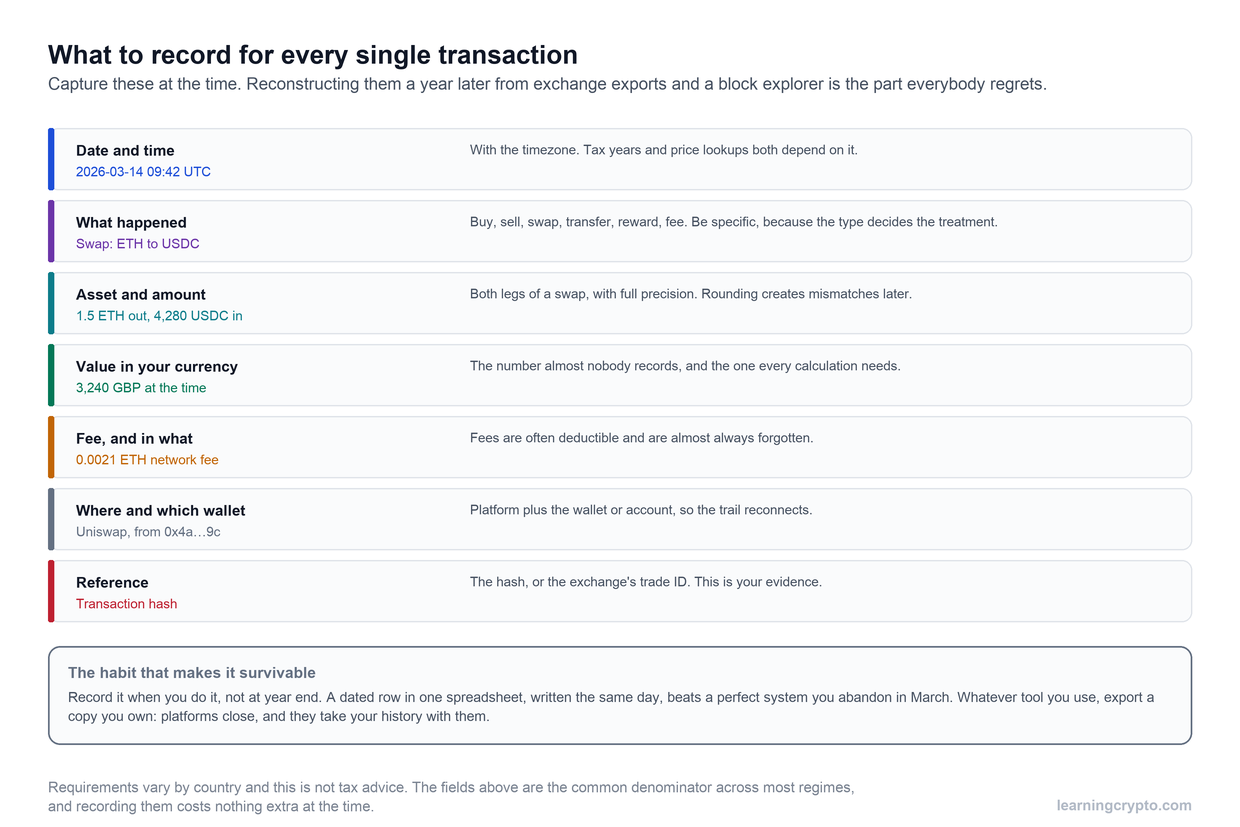
- Your crypto history will be read. Exchange statements, wallet addresses and the story of how the money was made are part of the file. If any of that is hard to explain, say so to your lawyer before you apply, not after.
How do you choose, and how do you avoid being scammed?
- Decide what the passport is for before you look at prices: travel, a place to go, banking, or a path out of a citizenship. Each points to a different programme.
- Use a lawyer or licensed agent, and check the licence. Fees are fixed by each government. Jennifer's warning from 2025 still holds: people who paid someone advertising below the true price have had citizenships revoked.
- Do not fill in a government form yourself first. A rejected or badly prepared application follows you to every other programme.
- Apply before you need it. Six months is normal; a year is not unusual now that interviews are mandatory.
- Read the country's own pages. Agent sites, including the one we work with, carry "from" prices that can be out of date or below the official minimum. We checked every figure above against the government source and it is the government source you should trust.
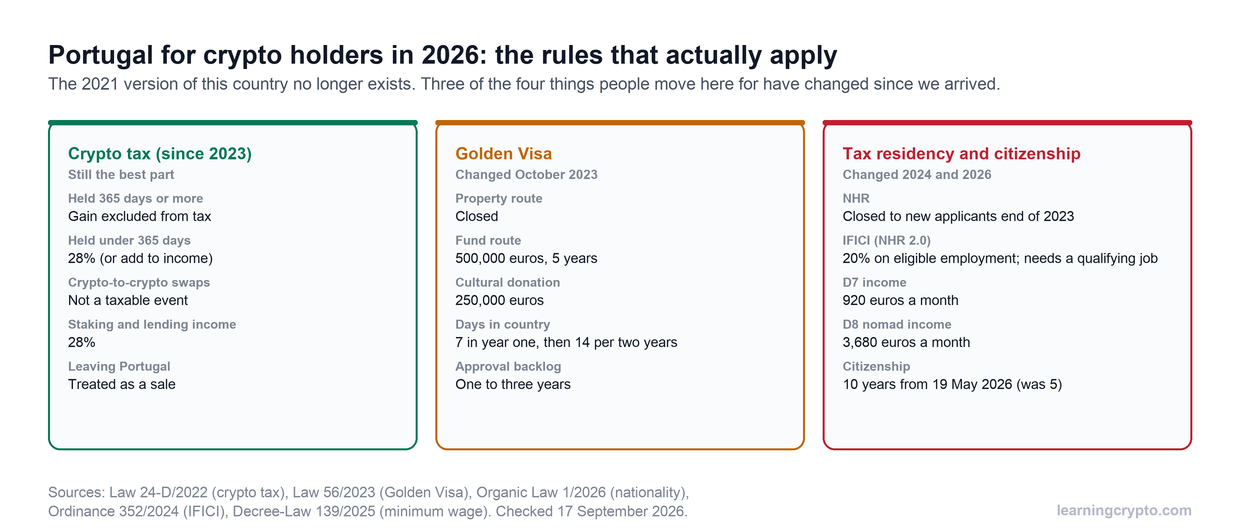
If you want help choosing between programmes and coordinating licensed agents across more than one jurisdiction, the citizenship concierge service we work with handles that; tell them what you are trying to achieve, not which passport you want. Our Portugal residency guide covers the residency-first route we also took, and the Regulation and Tax hub has more. Members can keep every wallet in view through all of this with the Portfolio Tracker.
Frequently asked questions
Does a second passport reduce my taxes?
No. Tax is decided by where you are resident, and for US citizens by citizenship itself, so a second passport on its own changes nothing. It can be the first step toward a genuine move, and for Americans it is the prerequisite for renouncing, which is the only way out of US worldwide taxation. Treat citizenship by investment as insurance and mobility, and plan tax separately with a professional.
What is the cheapest citizenship by investment in 2026?
Nauru, at a $90,000 contribution offered until the end of 2026 plus about $11,000 in fees, and São Tomé and Príncipe at about $95,000 all in. Both are new, neither gives visa-free access to Europe or the UK, and neither has a track record. Among established programmes, Dominica's $200,000 is the lowest, but it has lost UK access and faces US entry restrictions.
Which second passport gives visa-free access to Europe and the UK?
As of September 2026, St Kitts and Nevis, Grenada and Antigua and Barbuda give both Schengen and UK access, St Kitts through the UK's electronic travel authorisation. Dominica and St Lucia have lost UK access, Vanuatu has lost Europe, and El Salvador's passport reaches Schengen but needs a UK visa. All five Caribbean programmes face a European deadline of June 2028.
Can I use crypto to pay for citizenship by investment?
Directly, only in El Salvador, which takes its $1 million contribution in Bitcoin. Other programmes accept crypto as your source of wealth after due diligence, but the payment is made in dollars, converted by an agent or approved developer. Ask exactly who custodies the funds during conversion. Any agent claiming a Caribbean government "accepts Bitcoin" is describing their own conversion service.
How long does citizenship by investment take?
St Kitts and Nevis quotes 120 to 180 days from acknowledgment, and most Caribbean programmes fall in that range now that interviews are mandatory. Vanuatu, São Tomé and El Salvador advertise six to eight weeks. Add the time it takes you to gather documents: apostilled birth certificates, police clearances and source-of-funds evidence often take longer than the government's own processing.
Is citizenship by investment legal and permanent?
It is legal, established by statute in each country; St Kitts has run its programme since 1984. Citizenship is permanent in law but can be revoked for fraud in the application or, in some programmes, failure to complete required steps such as biometrics or a short residence. What can change is what the passport gets you: visa-free access is granted by other countries and can be withdrawn.
Keep learning
- Portugal Residency and Crypto Taxes in 2026: What Changed and What We've Learned Living Here
- How to Legally Reduce Your Crypto Taxes: What We Did and What Actually Works in 2026
- No-KYC Bitcoin in 2026: How to Buy, Swap, and Cash Out Without Handing Over Your ID
- What Is KYC in Crypto? Know Your Customer Explained
- More guides in the Regulation & Tax hub
- Members: Portfolio Tracker, see all your wallets in one place