

142 guides by Heidi.
 Wallets & Custody
Comprehensive Guide to Bittensor Wallets: Securing Your TAO
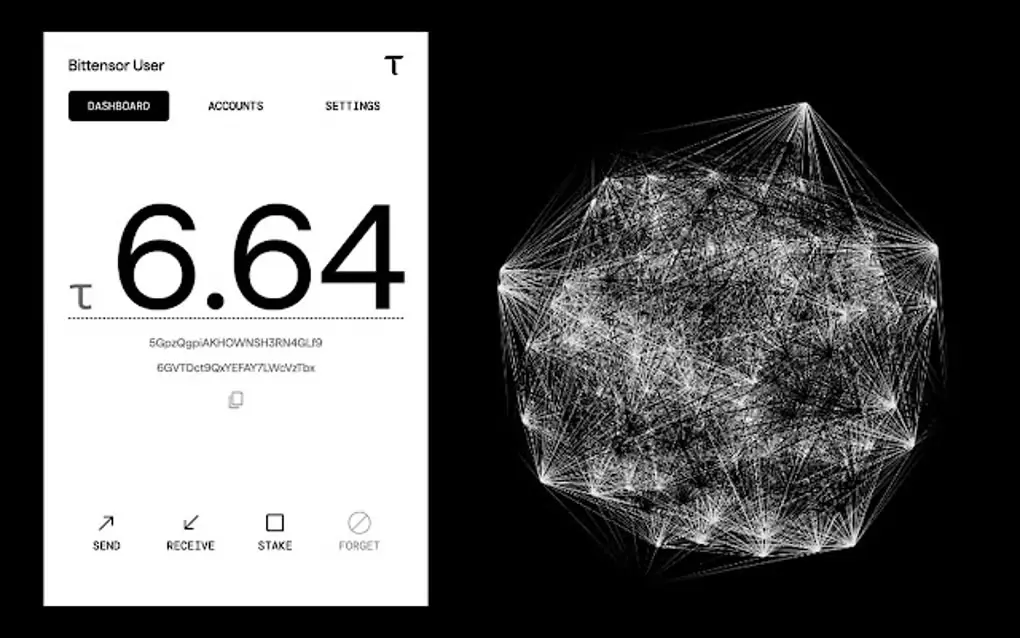
A Bittensor wallet is a non-custodial wallet holding the key pair that proves identity, signs transactions and accesses TAO. It has two parts: an always-encrypted coldkey that controls funds, transfers and subnet creation, and hotkeys for everyday tasks like running miners or validators. Create one via the web wallet or btcli, back up the seed phrase offline, and consider a hardware wallet for larger balances.
Heidi ChakosFundamentalsFundamentalsBest Cryptocurrency Learning Resources To Know [A Complete Guide]
The best crypto learning resources depend on your level. Coinbase Learn (free) suits beginners with simple tutorials and earn-while-you-learn rewards; Binance Academy (free) covers all levels including DeFi and smart contracts; CryptoZombies (free) teaches Web3 coding through games; Udemy offers paid self-paced courses; and Learning Crypto, a paid platform, provides structured courses and expert instructors from beginner to advanced.
Heidi ChakosStablecoinsStablecoinsDifferent Types of Stablecoins: Types, Uses, and Benefits
There are four main types of stablecoins, grouped by what backs them: fiat-collateralized (USDT, USDC), crypto-collateralized (DAI), commodity-backed (PAXG, XAUT) and algorithmic (the model that failed with TerraUSD in 2022). Fiat-backed coins from regulated issuers are the most widely used and, for most people, the sensible default; algorithmic designs have the worst track record.
2 min read/Heidi ChakosAnalysis Analysis
How Much To Invest In Crypto Monthly? [A Quick Complete Guide]
A sensible starting point is 1-5% of your monthly income, invested on a fixed schedule through dollar-cost averaging. On a $3,000 income that is $30 to $150 a month; even $10 to $50 builds the habit. Lower-risk investors keep 1-2% in Bitcoin and Ethereum, higher-risk up to 5% with some altcoins. Automate recurring buys and only use money you can afford to lose.
Heidi ChakosReviews & Safety Reviews & Safety
Is Coinbase Safe for Beginners? The Ultimate Guide
Yes, Coinbase is one of the safest crypto exchanges for beginners. It is publicly traded, licensed in all 50 US states and 100+ countries, keeps 98% of crypto in offline cold storage, carries $255 million in crime insurance, and USD deposits are FDIC insured up to $250,000. The trade-off is higher fees, around 1.49% on bank transfers, and no insurance covers your own mistakes.
Heidi ChakosFundamentals Fundamentals
What Backs Up Cryptocurrency? - Explained Simply!
Cryptocurrency is not backed by a physical commodity or a government promise. Its value rests on supply and demand (Bitcoin is capped at 21 million coins), decentralized networks that resist censorship, real utility such as paying for Ethereum transactions, and the social consensus of users, developers and businesses. Fiat currencies, since the gold standard ended, are likewise backed only by government credit and trust.
Heidi ChakosFundamentalsFundamentalsWhat's the Purpose of Cryptocurrency: A Balanced Understanding
The purpose of cryptocurrency is to let people transact directly, securely and without banks or governments in the middle. Bitcoin launched in January 2009 as a response to the 2008 financial crisis, and its Genesis Block references the bank bailouts. Today crypto is used for online payments, cheaper cross-border transfers and DeFi, though volatility, regulation and security remain real risks.
Heidi ChakosWallets & Custody Wallets & Custody
Crypto Wallet For Beginners: Types, Factors, How to Setup
For beginners, a hardware wallet such as the Trezor Safe 3 or BitBox02 is the safest choice because private keys stay offline; entry-level models cost roughly $50 to $150. Free software wallets like Exodus, MetaMask and Trust Wallet suit small, everyday balances. Whatever you choose, buy hardware direct from the manufacturer, write the seed phrase on paper, and test with a small transfer.
14 min read/Heidi ChakosDeFi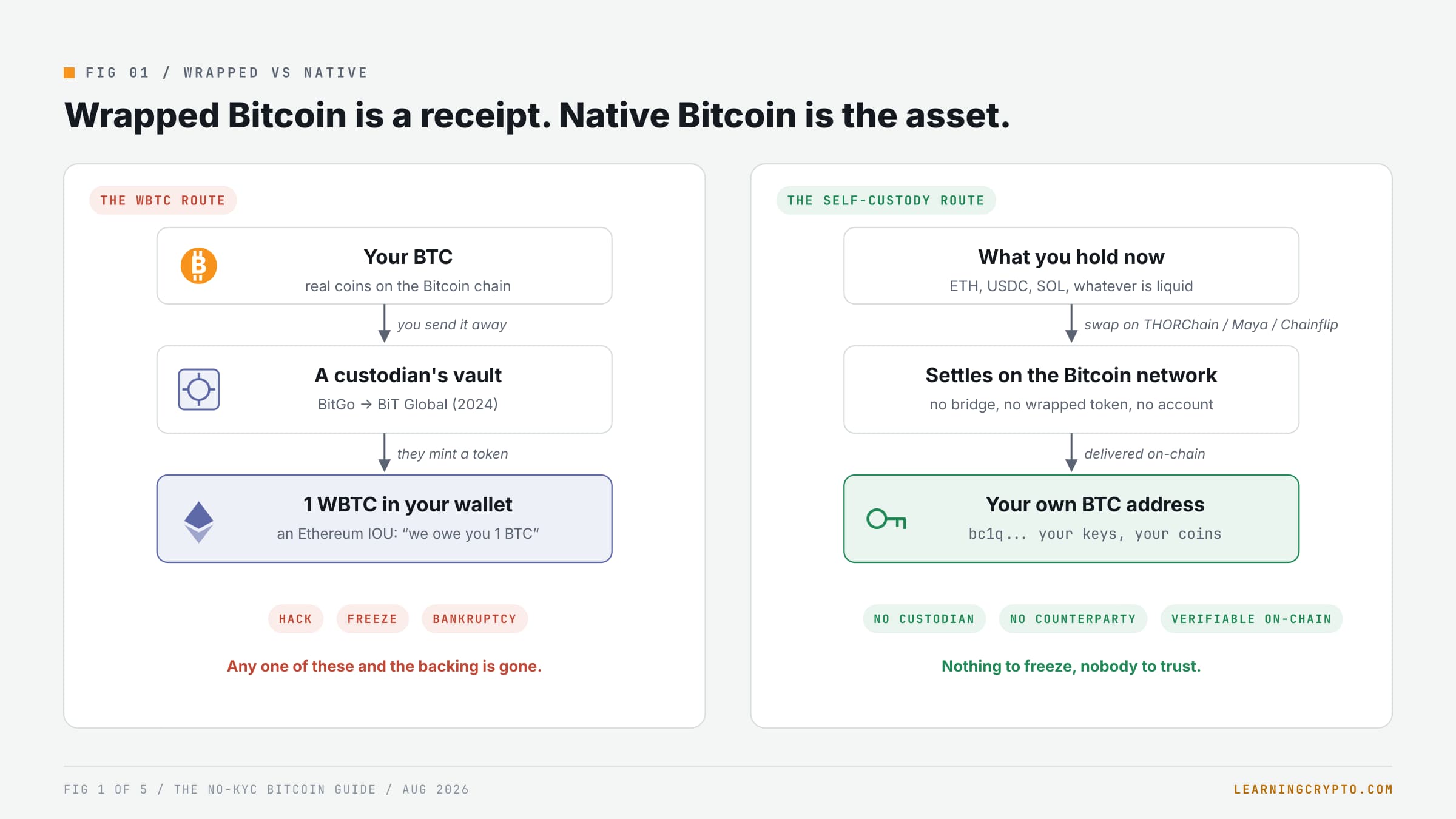 DeFi
DeFiNo-KYC Bitcoin in 2026: How to Buy, Swap, and Cash Out Without Handing Over Your ID
There is no perfect no-KYC Bitcoin solution, only trade-offs. For fiat in and out, peer-to-peer platforms like Bisq and RoboSats never learn your identity, though your bank still sees the transfer. For native BTC without a custodian, swap through THORChain, Maya Protocol or Chainflip rather than holding wrapped Bitcoin, which is an IOU. A real DEX never asks for ID. You still owe taxes.
Heidi Chakos