
Agree or not, cryptocurrencies have emerged as a transformative force in the global financial landscape, challenging traditional notions of money and value. As of March 2025, the global crypto market capitalization stands at approximately $2.95 trillion. This remarkable growth underscores the significant impact and widespread adoption of digital currencies worldwide.
The number of cryptocurrency users has also seen a substantial increase. In 2024, global cryptocurrency ownership rates averaged 6.8%, with over 560 million crypto owners worldwide. Projections indicate that by 2025, the number of crypto users worldwide could reach 861 million. This surge reflects a growing public interest and trust in digital currencies as viable financial instruments.
Despite their growing prominence, a common question persists: What underpins the value of cryptocurrencies?
Read More: Crypto Explained in Minutes

Unlike traditional fiat currencies, which are often backed by physical assets or government assurances, cryptocurrencies derive their value from a complex interplay of factors unique to the digital realm.
In this blog, we will discuss the foundational elements that support cryptocurrency value, comparing them to traditional currency systems, exploring real-life examples, and addressing prevalent misconceptions.
So let us get started!
Traditional Currency vs. Cryptocurrency Backing
Traditional fiat currencies, such as the U.S. dollar or the euro, have historically been backed by tangible assets like gold or silver. However, since the abandonment of the gold standard, most fiat currencies are now supported by the full faith and credit of their issuing governments — meaning their value is underpinned by governmental authority, economic stability, and the ability to enforce legal tender laws.
Cryptocurrencies, in contrast, operate independently of central authorities and are not backed by physical commodities or governmental promises. Their value arises from decentralized networks, cryptographic security, and the collective trust and consensus of their users.
This fundamental difference raises the question: what exactly confers value upon cryptocurrencies?

What Actually Backs Cryptocurrency?
Several key factors contribute to the backing and value of cryptocurrencies:
Supply and Demand Dynamics
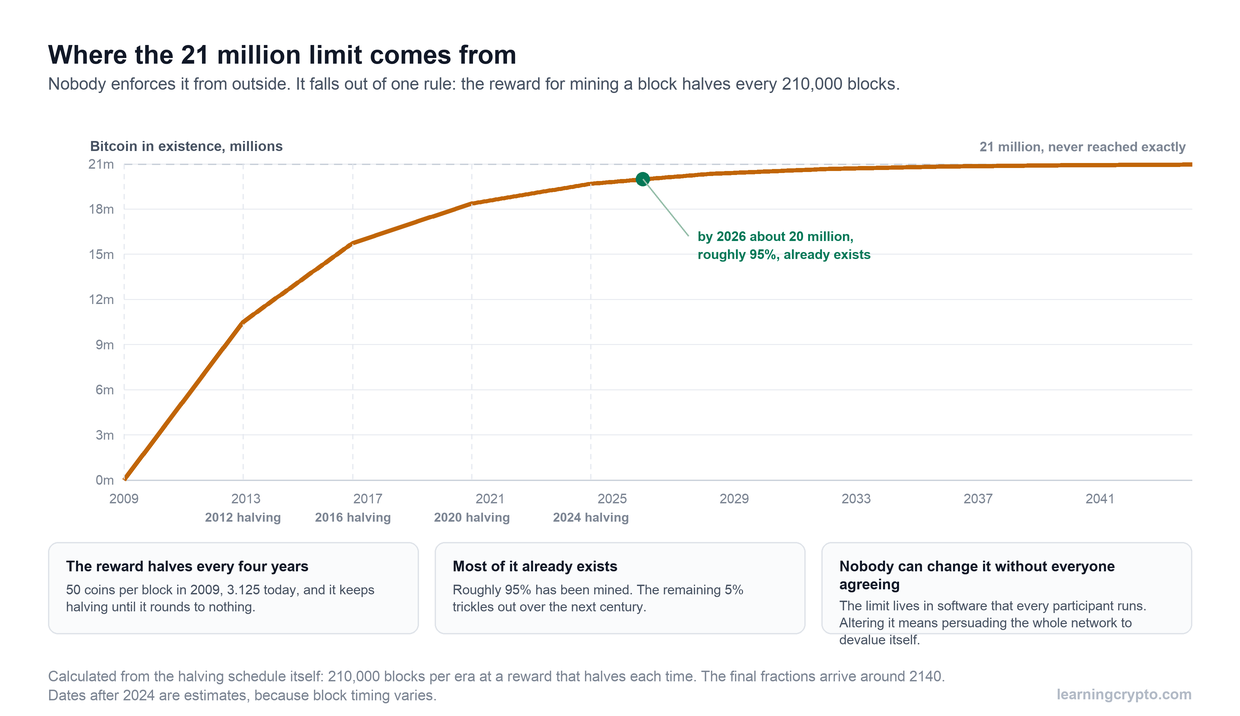
The value of any asset is significantly influenced by supply and demand. Many cryptocurrencies have a predetermined supply limit; for instance, Bitcoin's supply is capped at 21 million coins.
As more individuals and institutions seek to acquire a limited number of coins, the increased demand against a fixed supply can drive up value. This scarcity mirrors the principles that confer value to precious metals and other finite resources.
Bitcoin's price surge in late 2020 can be attributed to increased institutional interest and the perception of Bitcoin as "digital gold." Companies like MicroStrategy and Tesla invested billions into Bitcoin, reducing the available supply and driving up the price.
Decentralization Aspects
Decentralization is a cornerstone of cryptocurrency value. Operating on decentralized networks, cryptocurrencies are less susceptible to censorship, control, or manipulation by any single entity.
This autonomy enhances their appeal as a store of value and medium of exchange, particularly in regions with unstable financial systems or authoritarian regimes. The decentralized nature ensures that transactions are secure, transparent, and resistant to centralized control.
In Venezuela, amidst hyperinflation and economic instability, citizens turned to cryptocurrencies like Bitcoin to preserve wealth and conduct transactions, bypassing government-controlled financial systems.
Social Consensus and Network Effects
The utility and acceptance of a cryptocurrency are bolstered by social consensus and network effects. As more users, developers, and businesses adopt a particular cryptocurrency, its utility and trustworthiness increase, thereby enhancing its value.
This self-reinforcing cycle is evident in leading cryptocurrencies like Bitcoin and Ethereum, where widespread adoption has cemented their positions in the market.
Ethereum's value has been significantly influenced by its adoption as the primary platform for decentralized applications (dApps) and smart contracts, leading to a robust developer community and widespread use.
Value Determinants of Cryptocurrency
Beyond the foundational backing, here are several factors that influence the market value of cryptocurrencies:
- Utility and Use Cases: A cryptocurrency's value is closely tied to its practical applications. Tokens facilitating smart contracts, decentralized finance (DeFi), or other innovative solutions tend to possess higher intrinsic value due to their broader utility. Example: Ethereum's Ether (ETH) is used to pay for transaction fees and computational services on the Ethereum network, underpinning its value.
- Technological Advancements: Continuous improvements in scalability, security, and functionality can enhance a cryptocurrency's appeal, attracting more users and investors. Conversely, technological shortcomings or vulnerabilities can diminish value.Example: The implementation of the Lightning Network for Bitcoin aimed to improve transaction speeds and scalability, potentially increasing Bitcoin's utility and value.Here is everything you need to know about Lightning Wallet
- Market Sentiment and Speculation: Public perception, media coverage, and speculative trading significantly impact cryptocurrency prices. Positive news can drive prices upward, while negative press or regulatory crackdowns can lead to sharp declines.Example: Announcements by influential figures, such as Elon Musk's tweets about Dogecoin, have led to significant price fluctuations based on market sentiment.
This is so awesome 😎 😂 https://t.co/QLixI9t1tC
— Elon Musk (@elonmusk) November 14, 2024
- Regulatory Environment: Government policies and regulations play a crucial role in cryptocurrency valuation. Supportive regulations can foster growth and stability, whereas restrictive policies may hinder adoption and suppress value.
Example: Japan's early recognition and regulation of Bitcoin as a legal payment method contributed to its widespread adoption in the country.
Misconceptions About Cryptocurrency
Several misconceptions surround the backing and value of cryptocurrencies:
Lack of Intrinsic Value
Misconception: Cryptocurrencies lack intrinsic value because they are not backed by physical assets or government guarantees.
Clarification: The concept of intrinsic value is complex and often debated. While it's true that cryptocurrencies like Bitcoin are not backed by physical commodities or state assurances, their value is derived from utility, scarcity, and the decentralized networks that support them, akin to how value is ascribed to precious metals.
It's also worth noting that traditional fiat currencies have no legislated or intrinsic value; they are simply worth what people are willing to pay for them in the market.
Volatility Equals Instability
Misconception: The high price volatility of cryptocurrencies indicates inherent instability and unreliability as assets.
Clarification: While cryptocurrencies are known for price volatility, this characteristic is common in emerging markets. Over time, increased adoption and market maturation may lead to reduced volatility.
Association with Illicit Activities
Misconception: Cryptocurrencies are primarily used for illegal transactions due to their pseudonymous nature.
Clarification: While it's true that cryptocurrencies have been used in illicit activities, this represents a small fraction of overall transactions. The vast majority of cryptocurrency usage is legitimate, encompassing investments, remittances, and purchases of goods and services.
Moreover, the transparent nature of blockchain technology can aid in tracking and preventing unlawful activities. All transactions are recorded on a public ledger, making it possible for law enforcement agencies to trace and analyze suspicious activities.
Who Controls Cryptocurrency?

Cryptocurrencies are fundamentally decentralized digital assets designed to function without a central authority, such as a government or financial institution. This decentralization is a core principle that distinguishes cryptocurrencies from traditional fiat currencies, which are typically issued and regulated by central banks.
Decentralized Control Mechanisms
In cryptocurrency networks, control is distributed among participants through consensus mechanisms that validate transactions and maintain the integrity of the blockchain. The two primary consensus mechanisms are:
- Proof of Work (PoW): Employed by cryptocurrencies like Bitcoin, PoW requires miners to solve complex mathematical problems to validate transactions and add new blocks to the blockchain. This process involves significant computational effort and energy consumption.
- Proof of Stake (PoS): Utilized by networks such as Ethereum 2.0, PoS selects validators based on the amount of cryptocurrency they hold and are willing to "stake" as collateral. This method is more energy-efficient compared to PoW.
These mechanisms ensure that no single entity has overarching control over the network, promoting security and resilience against censorship or manipulation.
Role of Developers and Community
While no central authority governs cryptocurrencies, developers and the broader community play pivotal roles in their evolution.
- Developers contribute to the open-source codebases, proposing and implementing improvements or changes.
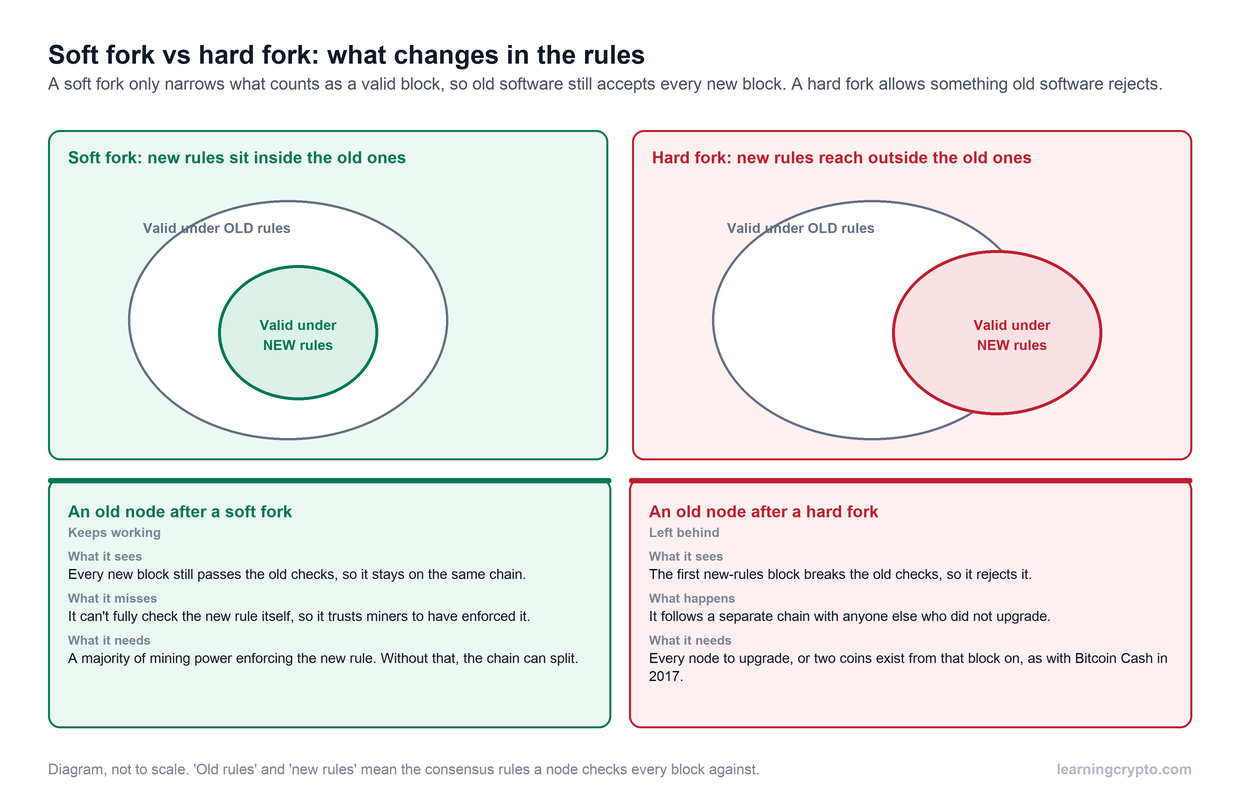
- Significant modifications often undergo rigorous review and require consensus from the community, including miners, node operators, and users.
This collaborative approach ensures that the network aligns with the collective interests of its participants.
Regulatory Oversight
Although cryptocurrencies operate independently of central authorities, they are subject to varying degrees of regulatory oversight worldwide.
In the United States, the Commodity Futures Trading Commission (CFTC) classifies cryptocurrencies as commodities, allowing them to trade on public derivatives markets.
The Securities and Exchange Commission (SEC) also asserts regulatory authority, particularly over digital assets considered securities. These agencies aim to protect investors and maintain fair, orderly, and efficient markets.
This regulatory landscape continues to evolve as governments and institutions seek to address the challenges and opportunities presented by digital assets.
Integration with Traditional Financial Systems
The degree to which cryptocurrencies are integrated into traditional financial systems significantly influences their legitimacy and value. Acceptance by mainstream financial institutions, availability on conventional trading platforms, and recognition by regulatory bodies can enhance a cryptocurrency's credibility and accessibility.
For instance, the approval of Bitcoin exchange-traded funds (ETFs) in various jurisdictions has provided investors with regulated avenues to gain exposure to Bitcoin, bridging the gap between traditional finance and the crypto world. Such integrations can lead to increased adoption and stability in cryptocurrency markets.
Recently, the nomination of Paul Atkins, a pro-business advocate with a history of supporting clearer guidelines for the crypto industry, as the chair of the U.S. Securities and Exchange Commission (SEC) was met with enthusiasm by the cryptocurrency community. This development signaled a potential easing of regulatory hurdles and a move towards greater integration of cryptocurrencies within the traditional financial system.
Conclusion
Cryptocurrency has emerged as a groundbreaking innovation in the financial world, challenging traditional systems and redefining the concept of value. Backed by decentralization, technological advancements, and social consensus, they offer unique opportunities for financial empowerment and global connectivity. As adoption continues to grow, understanding the mechanisms behind cryptocurrency valuation is crucial for navigating this dynamic landscape.
If you are someone looking to deepen your knowledge and gain practical insights into cryptocurrency, then Learning Crypto is THE resource you need! We offer accessible education and expert guidance tailored to individuals at all levels of experience. The crypto club further enhances the learning experience with exclusive benefits such as portfolio insights, advanced research feeds, crypto life hacks, and access to a supportive Discord community.
Read More: 5 Must Crypto Referral Programs You Must Try
Frequently asked questions
Is Bitcoin backed by gold or the US dollar?
No. Bitcoin is not backed by gold, the dollar or any government guarantee. Its value comes from a supply capped at 21 million coins, demand from individuals and institutions, a decentralized network that no single party controls, and broad social consensus. Fiat money since the end of the gold standard is in a similar position: it is backed by the issuing government's credit and legal tender laws, not by a physical asset.
Why does cryptocurrency have value if nothing physical backs it?
Value comes from scarcity, utility and trust rather than a vault of metal. A fixed supply meeting rising demand pushes prices up, the way it does for precious metals. Utility matters too: ETH pays for transactions and computation on Ethereum, which supports its price. Adoption by users, developers and businesses creates network effects, and decentralization makes the asset useful where financial systems are unstable, as in Venezuela during hyperinflation.
Are cryptocurrencies regulated in the United States?
Yes, though the rules are still evolving. The Commodity Futures Trading Commission classifies cryptocurrencies as commodities, which allows them to trade on public derivatives markets, while the Securities and Exchange Commission asserts authority over digital assets it considers securities. Approval of Bitcoin ETFs has given investors regulated exposure. This is general information, not legal advice; rules vary by jurisdiction.
How many people own cryptocurrency?
Ownership has gone mainstream. In 2024 global cryptocurrency ownership averaged 6.8%, with more than 560 million holders worldwide, and projections pointed to 861 million users by 2025. As of March 2025 the total crypto market capitalization stood at roughly $2.95 trillion. Growing adoption feeds the network effects that support the value of leading coins like Bitcoin and Ethereum.
This guide is part of stage 1 of 8, why crypto exists, in the free Learning Crypto curriculum. Next: Bitcoin vs Gold: Bitcoiner, Gold Bug, or Still Deciding?
Keep learning
- How Much To Invest In Crypto Monthly? [A Quick Complete Guide]
- CME Gaps Explained: How They Impact Bitcoin Price and Trading Strategies
- How To Start Investing in Cryptocurrency in 2025 [A Beginners Guide]
- More guides in the Fundamentals hub
- Members: Ask Crypto AI, ask it any beginner question, privately