
Cryptocurrencies were created to decentralize finance: to allow secure, private and direct transactions between people without a bank in the middle. They also give financial access to people the banking system has left out. In this article we explain what the purpose of cryptocurrency is, where the idea came from, how it works, what it is genuinely useful for in 2026, and where the risks are.
Takeaways
- Cryptocurrency was born out of distrust of traditional finance after the 2008 crisis, to provide a decentralized and transparent alternative to the banking system.
- The benefits are faster settlement, lower costs, resistance to inflation for fixed-supply coins like Bitcoin, and financial inclusion for people without access to banking.
- Despite the benefits, cryptocurrencies carry real risks: market volatility, regulatory uncertainty and security failures that investors need to take seriously.
What is the purpose of cryptocurrency?
The purpose of cryptocurrency is to let two people anywhere in the world send value to each other directly, with the rules enforced by open software and mathematics rather than by a bank or government. Bitcoin, the first cryptocurrency, was built specifically so that nobody could print more of it, freeze it, or reverse a payment on someone else's behalf.
Essentially cryptocurrencies are digital currencies secured by cryptographic systems. They have several core purposes that differentiate them from traditional currencies: decentralization, financial inclusion, and privacy and security. They give people without traditional banking access to financial services, and they give everyone more control over their own financial data and transactions.
Decentralization
Decentralization is the defining feature of cryptocurrencies like Bitcoin. Running on a peer-to-peer network, they allow transactions directly between users without intermediaries like banks, which means more security, transparency and inclusivity, and more control over your own money.
The idea of separating money from the state was the motivation of early Bitcoiners. The message in the Genesis Block about a government bailout is a comment on traditional banking, and a statement of why a decentralized financial system was needed. Cryptocurrencies challenge the existing currency monopoly with a model of money free from central control.
Financial inclusion
Cryptocurrencies can provide financial services to individuals without access to traditional banking. Digital currencies let people in underserved areas participate in the global economy, make online payments and manage their assets without a bank account. A phone and an internet connection are the only requirements.
This inclusivity brings economic empowerment and reduces financial inequality, which is why adoption has been strongest in countries with unstable currencies or weak banking systems.
Privacy and security
Privacy and security are central to cryptocurrencies. Transactions are secured by cryptographic techniques, and many coins have privacy features to protect user identities. Because you transact without a third party, you share less personal data and reduce your exposure to data breaches.
Privacy 101 with Naomi Brockwell
What is the point of cryptocurrency other than speculation and scams?
The point of cryptocurrency is to have money and payment rails that nobody can censor, inflate or shut down, and that anyone can use without permission. The speculation and the scams are real, but they sit on top of that base layer in the same way that spam sits on top of email.
If you do not understand the purpose of crypto because all you see is price charts and fraud, that is a fair reaction to how the industry markets itself. The practical uses are quieter: a worker sending money home without losing 7% to a remittance company, a saver in Argentina or Turkey holding dollars or Bitcoin instead of a currency that loses half its value in a year, a charity accepting donations after payment processors cut it off, or a business settling an invoice across borders in minutes on a weekend. None of those require the price to go up.
People who say crypto will fail usually mean that most tokens will fail, and on that they are right. Thousands of coins have already gone to zero. The question that matters is whether a neutral, fixed-supply, censorship-resistant money has a lasting use, and after seventeen years of Bitcoin running without interruption the evidence says it does.
What is the origin of cryptocurrency?
Bitcoin, the first cryptocurrency, went live in January 2009 in response to the 2008 financial crisis. Traditional finance had proved opaque and fragile, and the public lost trust in it. Bitcoin was designed to create a decentralized and transparent financial system independent of banks and governments.
Bitcoin's creator is the mysterious Satoshi Nakamoto. This pseudonymous individual or group introduced Bitcoin as an alternative to traditional money systems, and the story of Satoshi and the message in Bitcoin's Genesis Block explains the core purpose and motivations of cryptocurrencies.
Who is Satoshi Nakamoto?
Satoshi Nakamoto's identity is one of the biggest mysteries in cryptocurrency. Despite many theories, the true identity is still unknown. The creator is believed to be a libertarian, someone who believes in individual liberty and minimal government intervention, and who set out to build a system where individuals can transact freely without central authorities.
Nick Szabo, Hal Finney and Craig Wright are some of the candidates proposed as the real Satoshi Nakamoto. Each made significant contributions to digital currencies and blockchain (Wright's claim was rejected by a UK court in 2024), but none has been proven to be Nakamoto.
The mystery of Nakamoto adds to the story of Bitcoin and its philosophy.
The Genesis Block message
The Genesis Block, the first block of the Bitcoin blockchain, contains the message: "The Times 03/Jan/2009 Chancellor on brink of second bailout for banks." This is a reference to a newspaper headline of the day, pointing at the problems in the traditional financial system exposed by the 2008 financial crisis.
Nakamoto included this message to record the failures of the existing financial institutions and to emphasize the need for an alternative monetary system. Bitcoin was to provide a transparent, decentralized solution independent of banks and governments, with more security and control for the people using it.
Why Crypto? The book by Heidi Chakos
If you want the full argument in one place, Heidi Chakos wrote the e-book Why Crypto? for exactly this question. It traces the history of money, the failures of fiat currency and why decentralization matters, and it is written for beginners as well as people who already hold some crypto. This article covers the essentials; the book goes deeper.
How does cryptocurrency work?
Understanding cryptocurrencies means looking at the technology behind them. At the core is blockchain technology, a secure and transparent ledger that records all transactions. Running on decentralized networks, cryptocurrencies allow peer-to-peer transactions without central banks or intermediaries.
Besides the blockchain, mining is important for validating transactions and maintaining the network, and cryptocurrency wallets are where you store your digital assets. These components work together for the secure and efficient operation of cryptocurrencies.
Blockchain technology
Blockchain technology is the backbone of cryptocurrencies like Bitcoin and Ethereum. It consists of linked records, known as blocks, secured using cryptographic techniques. Each transaction must be verified by the network of nodes before being added, ensuring integrity and preventing fraud.
The Genesis Block marked the beginning of Bitcoin's ledger, and it shows what a blockchain is for: secure and transparent transactions that no single entity controls. Because the network is decentralized, no one party can rewrite history, which is what creates trust.
Mining and transaction validation
Mining is the process of validating and adding transactions to the blockchain. When a transaction happens, it is broadcast to the network, and miners group transactions into blocks and verify them. This ensures transactions are valid and prevents double spending.
Mining involves solving computational puzzles, which requires a lot of computing power and energy. Successful miners are rewarded with new cryptocurrency, which gives them a reason to keep the network honest. So mining both validates transactions and issues new coins, and it contributes to the overall security and stability of the network.
Cryptocurrency wallets
Cryptocurrency wallets are the tools you use to store and manage digital assets. There are hot wallets connected to the internet and cold wallets kept offline for added security. Their main job is to store your private keys safely, because the keys are what give access to your cryptocurrency.
Storing assets in a personal wallet, rather than on an exchange, reduces the risk of hacking and theft. You can choose different types of wallets based on your security needs and preferences.
Benefits of cryptocurrency
Cryptocurrencies have many benefits for users and investors. One of the main ones is the speed and efficiency of transactions. Unlike the traditional banking system, which can take days to process a transfer, cryptocurrency transactions are usually settled in minutes.
Another is lower transaction cost. By removing intermediaries like banks, cryptocurrencies cut the fees taken during financial transactions. And the fixed supply of some cryptocurrencies, like Bitcoin, is a hedge against inflation and preserves value over time.
Speed and efficiency
Cryptocurrency transactions are known for their speed and efficiency, usually settling in minutes, a big improvement on traditional financial institutions that can take days to process similar transactions. This is because there are no intermediaries and the network is peer to peer.
The computing power of the network processes transactions fast and securely, which makes it a good option for anyone who needs quick transfers. This is especially useful for international transactions, where the traditional route takes days and costs a lot.
Lower transaction cost
One of the best parts of cryptocurrency transactions is the lower cost. The traditional financial system has multiple intermediaries, each taking a cut. Cryptocurrencies operate on decentralized networks that remove these middlemen and lower the cost.
Many cryptocurrency transactions have minimal or zero cost, depending on the coin used. Some cryptocurrencies use client-side proof-of-work, which allows transactions with no fees. Exchanges and wallets also offer options for priority processing and can estimate the fee in advance, so you can choose the cheapest option for your situation.
Inflation resistance
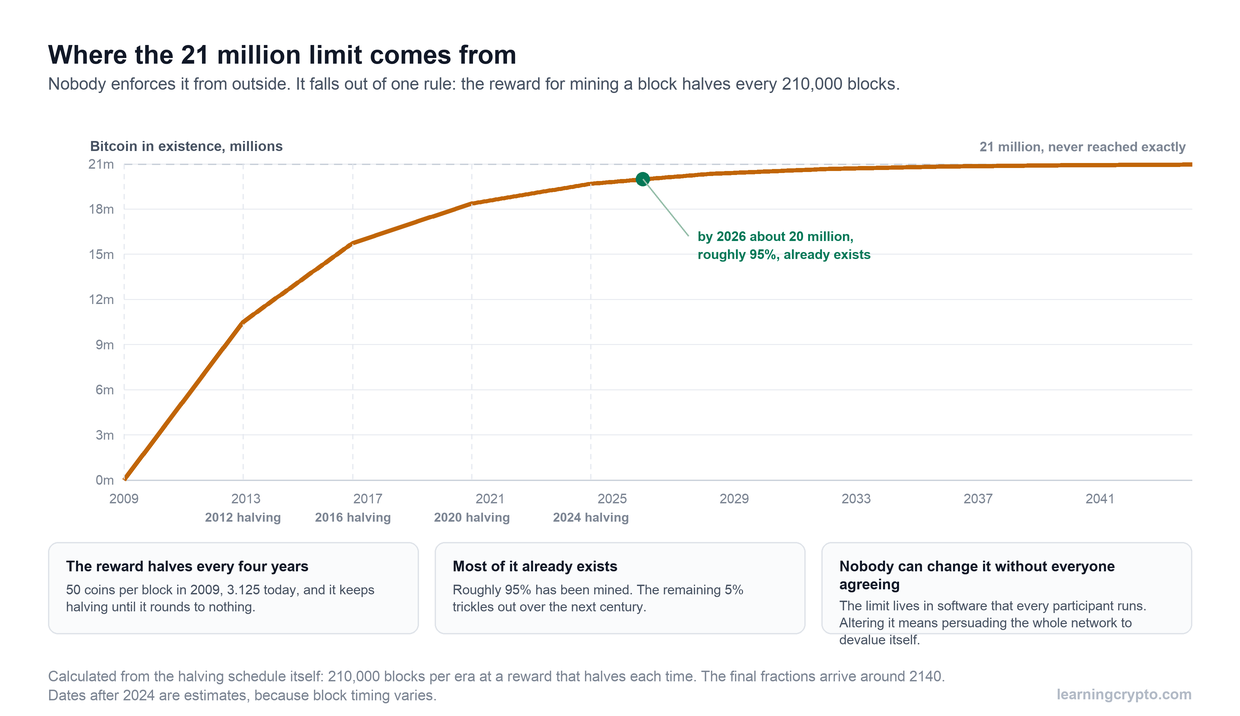
Bitcoin, the first and most popular cryptocurrency, has a fixed supply of 21 million coins. This hard cap prevents devaluation through inflation, unlike fiat currency, which central banks can print at will. If you want to invest wisely, it is worth understanding how to own cryptocurrency directly rather than through an intermediary.
As demand for Bitcoin grows against a limited supply, its purchasing power has tended to rise over long periods, which is why many people treat it as a way to preserve wealth. That is a tendency, not a guarantee, and the price swings along the way are severe.
Cryptocurrency challenges and risks
Despite the benefits, cryptocurrencies have challenges and risks. One of the biggest is the volatility of the market. Prices can move violently, resulting in financial loss for investors. The regulatory landscape is still evolving, and different countries take different approaches.
Security is another serious risk. The decentralized and pseudonymous nature of cryptocurrencies makes them a target for hackers and fraudsters. Potential investors must be aware of these risks and take the necessary precautions before investing.
Volatility
The cryptocurrency market is known for its extreme volatility. Prices can move wildly in a short period, resulting in big gains or losses. This volatility is driven by market speculation, regulatory news and technological developments. For investors, it means high returns come with big risk.
Volatility affects short-term traders and long-term investors alike. Some people love the rapid price movement; others find it unbearable. Understand the risk involved and consider your own risk tolerance before investing in cryptocurrencies.
Regulatory uncertainty
The regulatory landscape for cryptocurrencies is still evolving, with big differences across countries. The European Union recognizes cryptocurrencies as legal and brought in the Markets in Crypto-Assets (MiCA) regulation, which came fully into force at the end of 2024. China has banned cryptocurrency transactions and declared handling them by financial institutions illegal. This patchwork is a challenge for investors and businesses.
In the US, the Securities and Exchange Commission (SEC) has treated many tokens as securities in enforcement actions, and its approach has shifted with each administration, so the rules for exchanges and token issuers are still being settled. Meanwhile, a lack of regulation in some countries can facilitate tax evasion and money laundering, which is a concern for law enforcement.
Investors must be aware of the regulatory landscape and comply with local laws, including tax reporting, to reduce their risk.
Security concerns
Security is still a big concern in the cryptocurrency world. Despite advanced security measures, cryptocurrencies are vulnerable to hacking. Fraudsters target digital wallets to steal cryptocurrency, resulting in big losses for users. Crypto exchanges and wallets carry real risk, and high-profile hacks have resulted in the theft of billions of dollars worth of cryptocurrency over the years.
Besides hacking, losing your private keys means permanently losing access to your funds. Malware, data loss and destruction of physical media can also result in irreversible loss of cryptocurrency. Hardware wallets, multisig and better custody tools have been developed to address these concerns, but the responsibility still sits with the owner.
Cryptocurrency in real life
Cryptocurrency is not just a concept; it has real-life applications that are changing various industries. From online payments to cross-border transactions and decentralized finance (DeFi), cryptocurrencies are being used in different ways. UNICEF and the Ukrainian government have used cryptocurrencies for humanitarian aid and donations, and the market will see more applications in the coming years.
These applications show the versatility and potential of cryptocurrencies to disrupt traditional financial services and create new opportunities for users worldwide. Here are the key ones.
Online payments
Many businesses now accept Bitcoin for goods and services, from big retailers to car dealerships. Companies like Newegg, AT&T, Microsoft and Overstock have accepted Bitcoin for various products, showing the growing acceptance of cryptocurrencies in mainstream commerce. High-end luxury items like Rolex and Patek Philippe watches can also be bought with Bitcoin.
The decentralized nature of cryptocurrencies reduces reliance on traditional financial institutions, making it easier for individuals to make online payments without intermediaries. This ease of use and accessibility makes cryptocurrencies a good option for internet transactions.
Cross-border transactions
Cryptocurrencies are now a viable option for international money transfer. The traditional banking method for cross-border transactions is slow and expensive, often involving multiple intermediaries and high fees. Cryptocurrencies facilitate faster and cheaper international money transfer by eliminating intermediaries and reducing transaction costs.
Using digital currencies for cross-border transactions also reduces dependency on the traditional financial system. This is especially beneficial for individuals and businesses in areas with limited access to banking services. Stablecoins in particular have become the workhorse for this, because they combine crypto rails with a stable dollar value.
Smart contracts and decentralized finance (DeFi)
Smart contracts are self-executing contracts with the terms of the agreement written directly into code. These contracts run autonomously on a blockchain network, so all parties adhere to the agreed terms without intermediaries. By using smart contracts, financial transactions become more transparent and efficient, and there is less room for disputes.
Decentralized finance (DeFi) uses smart contracts to create financial services such as lending, borrowing and trading, all without traditional financial intermediaries. This new way of doing finance offers more accessibility, transparency and efficiency, making it a powerful application of blockchain technology.
Cryptocurrency future
The future of cryptocurrency looks strong, and many developments are coming. El Salvador adopted Bitcoin as legal tender in 2021, opening the door for wider acceptance. Integration of cryptocurrencies with traditional finance, the development of Central Bank Digital Currencies (CBDCs) and ongoing technological innovation will shape the future of digital currencies.
The 2024 US presidential election showed how much the regulatory environment and market sentiment for cryptocurrencies depend on politics. As the industry evolves, we must stay informed of these changes and their implications for digital finance.
Central Bank Digital Currencies (CBDCs)
A central bank digital currency (CBDC) is a digital form of fiat currency issued by a central bank. These digital currencies may complement or compete with existing cryptocurrencies by offering a government-backed alternative. Mastercard completed a CBDC pilot with the Reserve Bank of Australia, focused on blockchain interoperability, which shows the level of interest from central banks.
Warning: CBDCs give a lot of control and power to central banks and come with many risks in terms of privacy and freedom. They are the opposite of what Bitcoin was built for.
Traditional finance
Integration of cryptocurrencies with traditional financial institutions is a big trend in the future of digital finance. Morgan Stanley was the first major Wall Street bank to get into cryptocurrencies, showing the growing acceptance of digital assets by mainstream finance. Other institutions like Mastercard and BNY Mellon also announced cryptocurrency services, bridging the gap between traditional finance and digital currencies.
This is driven by market demand and reflects a big change in consumer behavior. As more financial institutions offer cryptocurrency services, accessibility and usage of digital assets will increase, leading to wider adoption and acceptance.
Technological innovations
Technological innovation will be a big factor in the future of cryptocurrencies. New digital solutions will make financial systems more efficient and resilient globally. The launch of spot Bitcoin ETFs in the US in January 2024 was seen as a big development that signalled wider acceptance of digital assets, and it brought pension funds and advisors into the market.
These developments create new applications and use cases for cryptocurrencies and expand their role in the financial system. As the technology evolves, the possibilities for cryptocurrencies to disrupt traditional finance and create new opportunities will only grow.
Conclusion
In summary, cryptocurrency is a revolutionary force in the financial world: a decentralized, secure and efficient alternative to traditional banking. From its birth with the creation of Bitcoin after 2008 to its core purpose of decentralization, financial inclusion and privacy, cryptocurrency changed the way we think about money and transactions.
Despite the challenges and risks of volatility, regulatory uncertainty and security, the benefits of speed, lower transaction cost and inflation resistance make it a serious option for users and investors. With real-world applications in online payments, cross-border transactions and decentralized finance, and developments like ETFs and institutional adoption, the future of cryptocurrency looks good. Stay informed, stay curious and consider the possibilities of cryptocurrencies to shape the future of finance.
Curious about the purpose of crypto and its impact? Our crypto community membership gives you expert-led discussions, practical tips and tools designed to make you crypto-savvy.
FAQs
Who is Satoshi Nakamoto?
Satoshi Nakamoto is the mysterious person behind Bitcoin and his true identity is still unknown. He wanted to create a decentralized financial system free from banks and governments.
What is the total supply of Bitcoin?
Total supply of Bitcoin is capped at 21 million coins which will protect its value from inflation and may increase its value as demand grows.
How does Bitcoin secure?
Bitcoin secures by using a decentralized network of nodes that validates and records every transaction on the blockchain which prevents any single point of failure. This not only makes it secure but also transparent and trustworthy for users.
What does decentralization mean in Bitcoin?
Decentralization is important in Bitcoin as it makes it secure, transparent and self-sovereign by allowing users to transact directly without intermediaries. This challenges traditional currency systems and empowers people to take control of their own finances.
What is the message in the Bitcoin Genesis Block?
The Bitcoin Genesis Block says "The Times 03/Jan/2009 Chancellor on brink of second bailout for banks". This is the 2008 financial crisis and the desire for a new monetary system.
What is the main purpose of cryptocurrency?
The main purpose of cryptocurrency is to let people hold and send money without depending on a bank or government to approve, reverse or devalue it. Everything else, from DeFi to NFTs, is built on top of that basic ability to move value peer to peer.
Why do people say crypto will fail?
Critics point to volatility, scams, energy use and the fact that most of the thousands of tokens launched have gone to zero. Those criticisms are largely fair about the wider industry, but Bitcoin has now run continuously since 2009 through several crashes, exchange collapses and bans, which is the strongest evidence that the core idea works.
Where can I get the book Why Crypto?
Why Crypto? is Heidi Chakos's e-book on the history of money, the failures of fiat currency and the case for decentralization. You can find it on the Learning Crypto book page.
This guide is part of stage 1 of 8, why crypto exists, in the free Learning Crypto curriculum. Next: Why Bitcoin was created.
Keep learning
- Understanding MEV in Crypto: Maximal Extractable Value Explained
- What Is Liquidation in Crypto? Understanding Forced Closures in Trading
- What is Liquid Staking? Your Guide to Flexible Crypto Rewards
- More guides in the Fundamentals hub
- Members: Ask Crypto AI, ask it any beginner question, privately