
Everything we know,
written down.
190 guides covering wallets, DeFi, stablecoins, on-chain analysis, tax and the ways people lose money. No sponsored posts, no affiliate reviews dressed up as research.
Browse all 190.
 Analysis
What Is Market Cap in Crypto: A Complete Guide
Market cap in crypto is the current price multiplied by circulating supply, so it measures a project's total value rather than the misleading price of one coin. Large caps sit above $10 billion, mid caps between $1 billion and $10 billion, and small caps below $1 billion, with risk rising as size falls. Check trading volume and fully diluted valuation too.
Heidi ChakosFundamentals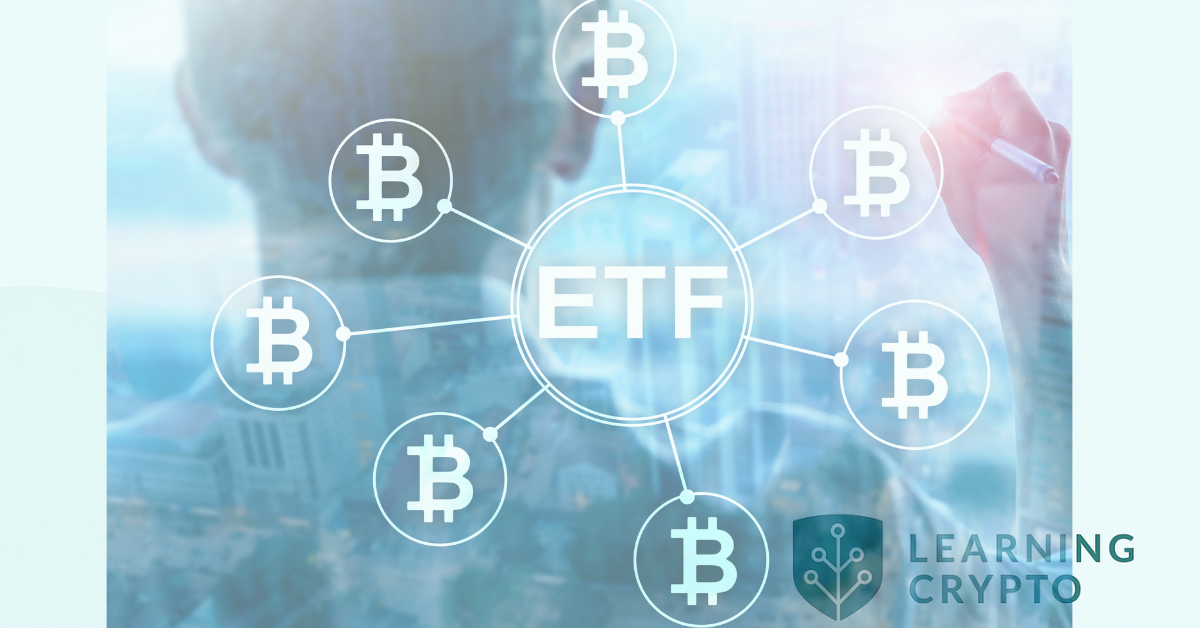 Fundamentals
Crypto ETFs Explained: What Are They and How Do They Work?
A crypto ETF is a fund that trades on a stock exchange and holds Bitcoin, Ethereum or crypto futures, so you get price exposure through a brokerage or retirement account without managing keys. Spot Bitcoin ETFs were approved in January 2024. The cost is fees of roughly 0.20 to 0.75% a year, no staking rewards, no DeFi access, and no true ownership of the coins.
Heidi ChakosAnalysis Analysis
What Are Blue Chip Cryptocurrencies? A Guide to Crypto's Safest Assets
Blue chip cryptocurrencies are the established digital assets that have survived market cycles, hold large market caps, trade with deep liquidity, and swing less than small-cap coins. Bitcoin and Ethereum are the clearest examples, alongside Solana, BNB and XRP. They are not risk-free, but they offer a more measured way to hold crypto, and most beginners start with the big two.
11 min read/Heidi ChakosDeFi DeFi
Difference Between Bitcoin & Ethereum: Breaking Down the Basics
Bitcoin and Ethereum solve different problems. Bitcoin, launched in 2009 with a hard cap of 21 million coins and proof-of-work mining, is built to be digital gold: a secure store of value and payment network. Ethereum, launched in 2015 and running proof-of-stake since 2022, is a programmable blockchain for smart contracts, DeFi and dApps with no fixed supply. Many investors hold both.
15 min read/Heidi ChakosRegulation & Tax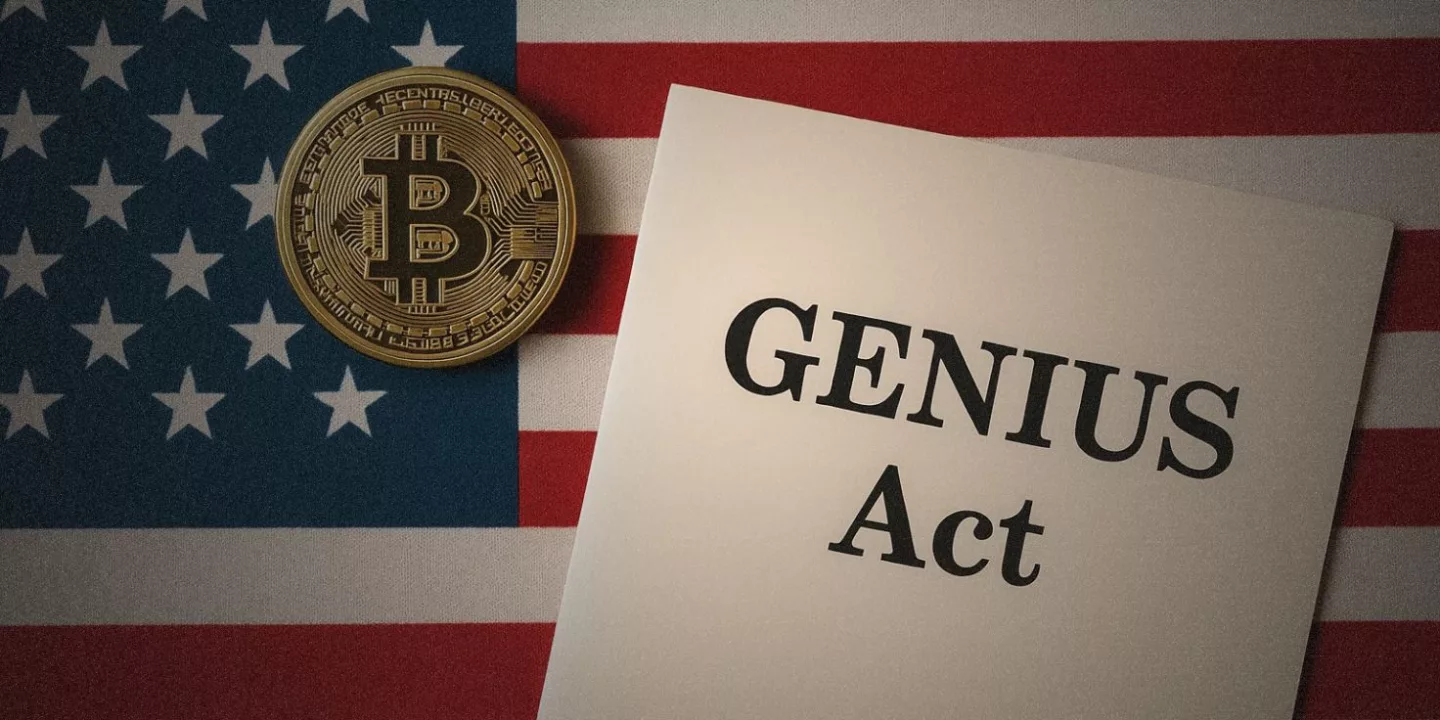 Regulation & Tax
Genius Act Full Guide: Control, Not Freedom, in the Digital Dollar Era
The GENIUS Act (S.1582) is the first federal law regulating US payment stablecoins. It requires 1:1 reserves in cash, insured deposits or short-term Treasuries, bans rehypothecation and yield-bearing stablecoins, and puts issuers under Bank Secrecy Act AML rules with OCC and Federal Reserve oversight. Our reading: it turns stablecoins into an intermediated digital dollar and strengthens the case for self-custodied Bitcoin.
Heidi ChakosAnalysis Analysis
How AI & Bots Are Reshaping Crypto Trading in 2026
Crypto trading bots are software that connects to exchanges through APIs and buys or sells automatically on preset rules, running 24/7 without fear or greed. Popular options include Cryptohopper, Pionex (free built-in bots, 0.05% trading fee), 3Commas and Altrady. They are not set-and-forget: bots can fail in flash crashes, over-fit their backtests, and add API security risk, so oversight still matters.
Heidi ChakosScams & Risk Scams & Risk
How to Sell Pi Coins in 2026? [An Expert Guide]
To sell Pi Coin, first complete KYC in the Pi app, migrate your balance to mainnet and set up a Pi Wallet in the Pi Browser. Then transfer PI to an exchange that lists it, such as OKX, Gate.io, MEXC or Bitget, and sell into USDT, ideally with a limit order because liquidity is thin. Binance and Coinbase do not list PI.
Heidi ChakosMining Mining
Most Profitable Cryptocurrencies to Mine in 2026
There is no single most profitable cryptocurrency to mine in 2026; it depends on your hardware, electricity rate, and network difficulty. Bitcoin pays best for ASIC operations with cheap power, Litecoin and Dogecoin merge-mine on Scrypt ASICs, Ethereum Classic and Ravencoin suit existing GPU rigs, and Monero is the main CPU option. Run a calculator like WhatToMine before buying hardware.
Heidi ChakosReviews & Safety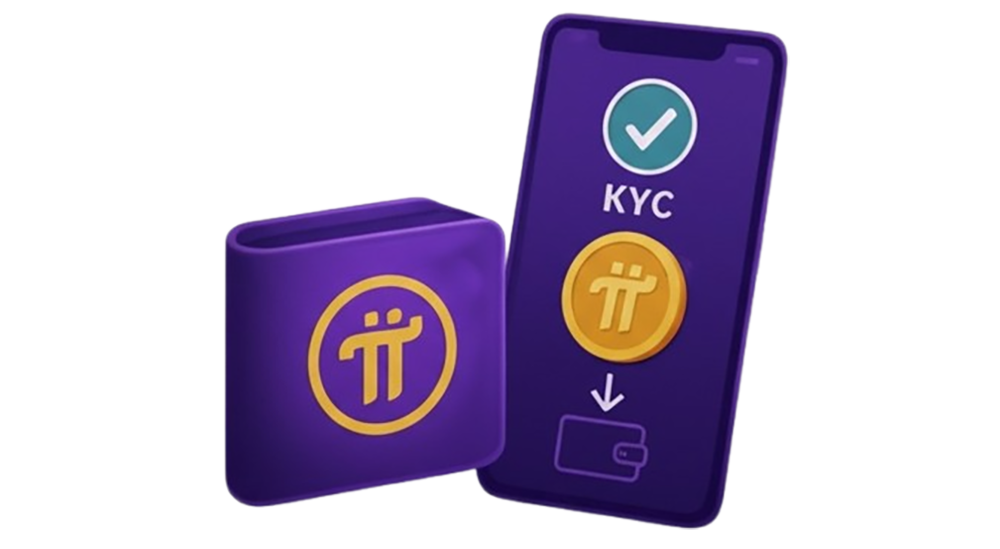 Reviews & Safety
Is Pi Network Legit or Hype? Comprehensive Expert & Honest Analysis
Pi Network is not a traditional scam: nobody has lost money they put in, the founders are Stanford PhDs, and a mainnet has been live since February 2025. Nor is it a proven cryptocurrency. As of mid-2026 the Pi Core Team controls most validator nodes, tokenomics are opaque, Binance and Coinbase have not listed it, and Pi trades near $0.18, down from a $2.80 peak.
Heidi ChakosReading is the cheap part.
The guides give you the grounding. Membership gives you the live on-chain data, the indicators and the analysts, so you can apply it while it still matters.