
Everything we know,
written down.
190 guides covering wallets, DeFi, stablecoins, on-chain analysis, tax and the ways people lose money. No sponsored posts, no affiliate reviews dressed up as research.
Browse all 190.
 DeFi
A Complete Guide to Crypto Margin Trading
Crypto margin trading is borrowing money from an exchange, with your own crypto as collateral, to buy more cryptocurrency than your balance allows, typically at 2x to 5x. You own what you buy but owe the loan plus interest, and if collateral falls below the maintenance margin you face a margin call or liquidation. Interest can hit 1 to 2% per day.
Toby CunninghamAnalysis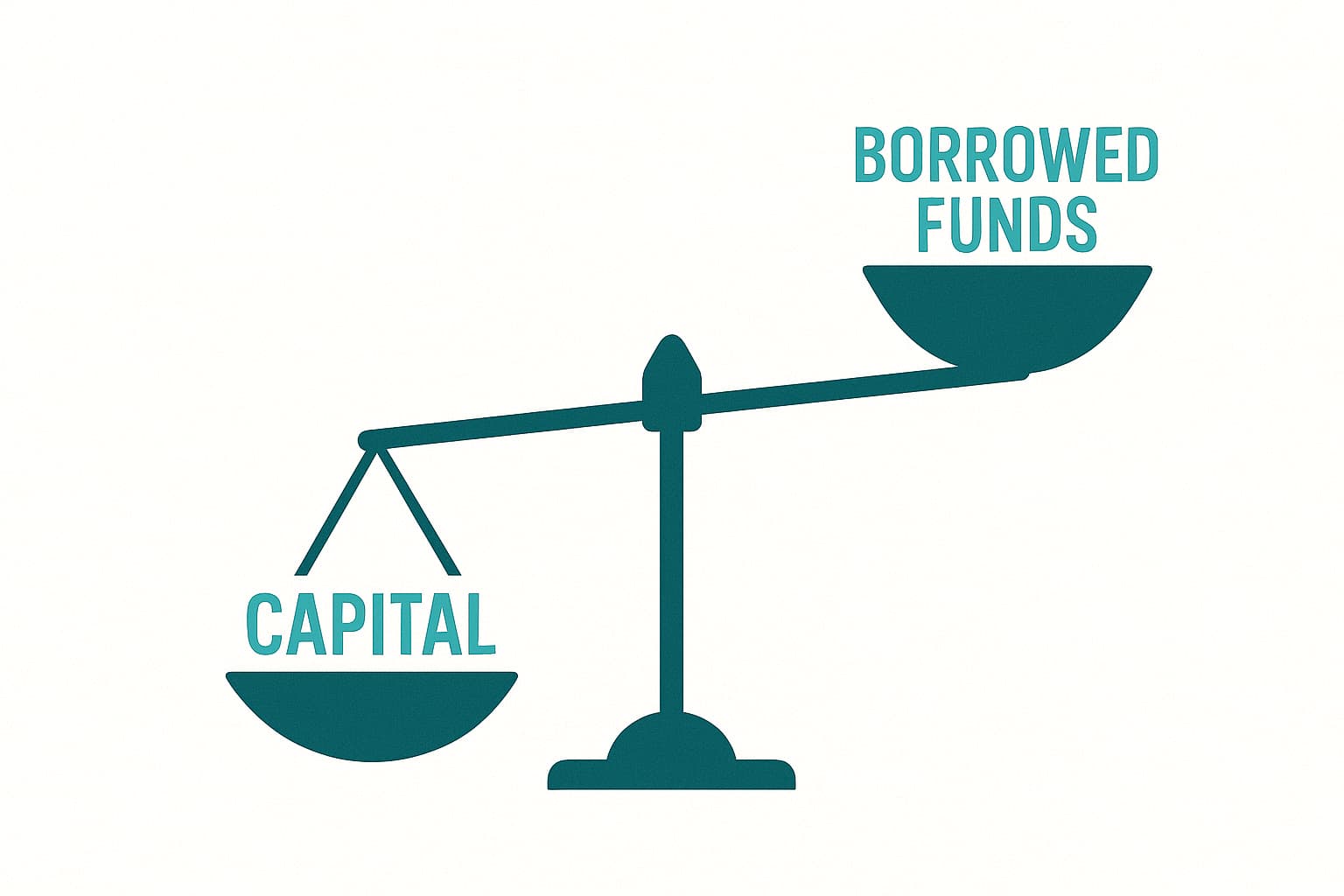 Analysis
What Is Leverage Trading in Crypto? Pros, Cons, and How It Works
Leverage trading in crypto means borrowing from an exchange to control a position larger than your deposit, from 2x to 100x. Gains and losses are multiplied equally: at 10x a 5% move earns or costs half your margin, and a 10% drop liquidates the whole position. Funding fees accrue every 8 hours. For most beginners it is a fast route to zero.
Toby CunninghamDeFi DeFi
What Is Yield Farming in Crypto? A Complete Beginner’s Guide
Yield farming is depositing crypto into DeFi protocols to earn trading fees, lending interest and token rewards. Established pools on Aave, Curve or Uniswap typically pay 3% to 20% APY; anything far higher usually signals unsustainable tokenomics. The main risks are impermanent loss, smart contract exploits and locked liquidity, and there is no deposit insurance. Beginners should start small with a stablecoin pair.
14 min read/Toby CunninghamDeFi DeFi
What Is Liquidation in Crypto? Understanding Forced Closures in Trading
Liquidation in crypto is the automatic, forced closure of a leveraged position when losses push your collateral below the exchange's maintenance margin, usually 10% to 20% of the position. The exchange sells at market, deducts a 0.5% to 1% fee and returns whatever is left, often close to nothing. A 5x long on Solana at $200 with 15% maintenance margin dies near $190.
Toby CunninghamAnalysis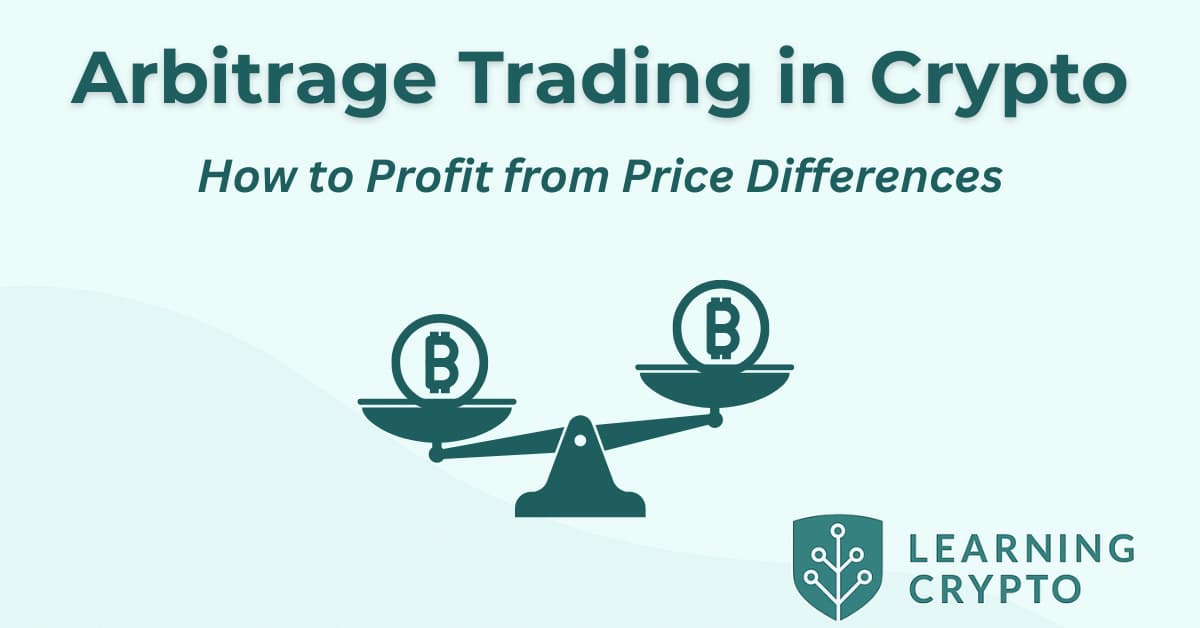 Analysis
Arbitrage Trading in Crypto: How to Profit from Price Differences
Crypto arbitrage means buying an asset on one exchange and selling it on another where it trades higher, pocketing the gap. It is legal and gaps still appear, but typical spreads have shrunk to 0.1% to 2% and vanish in seconds, so the profit goes to automated bots with large capital and low fees. For most retail traders, fees and speed make it unprofitable.
Toby CunninghamDeFi DeFi
DeFi Trading Explained: How to Trade in Decentralized Finance
DeFi trading is swapping cryptocurrencies through smart contracts and community-funded liquidity pools rather than a company's order book. You connect a Web3 wallet such as MetaMask, hold some of the chain's native token for gas, and trade on a DEX like Uniswap or an aggregator like 1inch. Start with a small test swap and watch your slippage setting; flash loans and yield farming can wait.
20 min read/Toby CunninghamScams & Risk Scams & Risk
Pump and Dump Schemes in Crypto: How to Spot and Avoid Them
A pump and dump is market manipulation where organized groups quietly buy a thin, obscure token, flood social media and paid influencers with hype to push the price up, then sell their holdings into the retail buying frenzy. Warning signs include synchronized shilling, anonymous teams, low liquidity and promised price targets. Position limits, stop-losses and an exit plan set in advance are the practical defenses.
17 min read/Toby CunninghamAnalysis Analysis
What Is Exit Liquidity in Crypto and Why You Should Care
Exit liquidity is what you become when your buy order lets someone else sell at the top: whales, early investors, or founders cashing out into hype. The pattern is quiet accumulation, coordinated hype, distribution into strength, then a crash that can leave latecomers down 80%. Warning signs include guaranteed-return promises, pumps with no fundamentals, price-obsessed communities, and restrictions on selling.
12 min read/Heidi ChakosAnalysis Analysis
What Is FDV (Fully Diluted Valuation) in Crypto?
FDV, or fully diluted valuation, is a crypto token's price multiplied by its maximum (or total) supply: what the market cap would be if every token were already circulating. Divide FDV by market cap to gauge dilution risk: a ratio near 1.0 (Bitcoin about 1.05, Solana 1.13) means most tokens already circulate; above 5 or 10, large releases could weigh on the price.
Heidi ChakosReading is the cheap part.
The guides give you the grounding. Membership gives you the live on-chain data, the indicators and the analysts, so you can apply it while it still matters.