

142 guides by Heidi.
 Analysis
How AI & Bots Are Reshaping Crypto Trading in 2026
Crypto trading bots are software that connects to exchanges through APIs and buys or sells automatically on preset rules, running 24/7 without fear or greed. Popular options include Cryptohopper, Pionex (free built-in bots, 0.05% trading fee), 3Commas and Altrady. They are not set-and-forget: bots can fail in flash crashes, over-fit their backtests, and add API security risk, so oversight still matters.
Heidi ChakosScams & Risk Scams & Risk
How to Sell Pi Coins in 2026? [An Expert Guide]
To sell Pi Coin, first complete KYC in the Pi app, migrate your balance to mainnet and set up a Pi Wallet in the Pi Browser. Then transfer PI to an exchange that lists it, such as OKX, Gate.io, MEXC or Bitget, and sell into USDT, ideally with a limit order because liquidity is thin. Binance and Coinbase do not list PI.
Heidi ChakosMining Mining
Most Profitable Cryptocurrencies to Mine in 2026
There is no single most profitable cryptocurrency to mine in 2026; it depends on your hardware, electricity rate, and network difficulty. Bitcoin pays best for ASIC operations with cheap power, Litecoin and Dogecoin merge-mine on Scrypt ASICs, Ethereum Classic and Ravencoin suit existing GPU rigs, and Monero is the main CPU option. Run a calculator like WhatToMine before buying hardware.
Heidi ChakosReviews & Safety Reviews & Safety
Is Pi Network Legit or Hype? Comprehensive Expert & Honest Analysis
Pi Network is not a traditional scam: nobody has lost money they put in, the founders are Stanford PhDs, and a mainnet has been live since February 2025. Nor is it a proven cryptocurrency. As of mid-2026 the Pi Core Team controls most validator nodes, tokenomics are opaque, Binance and Coinbase have not listed it, and Pi trades near $0.18, down from a $2.80 peak.
Heidi ChakosFundamentals Fundamentals
Starting Crypto with $100: Your Ultimate Guide for Investing
You can start crypto with $100 because coins are divisible, so you buy fractions of Bitcoin or Ethereum on an exchange like Coinbase, Kraken or Binance. Treat the money as tuition: a sensible first split is $70 Bitcoin and $30 Ethereum, bought through dollar-cost averaging rather than one lump sum. Turning $100 into $100 a day is gambling, not investing. Enable 2FA and keep records.
Heidi ChakosWallets & Custody Wallets & Custody
How to Use Cold Wallets for Crypto Like a Pro (Step-by-Step)
To use a cold wallet, buy a hardware device directly from the manufacturer, initialize it, write the 12 to 24 word seed phrase on paper or metal, set a PIN, install the companion app and coin apps, verify receiving addresses with a small test transfer, then disconnect. Cold wallets keep private keys off the internet, which is why they suit long-term, high-value holdings.
Heidi ChakosAnalysis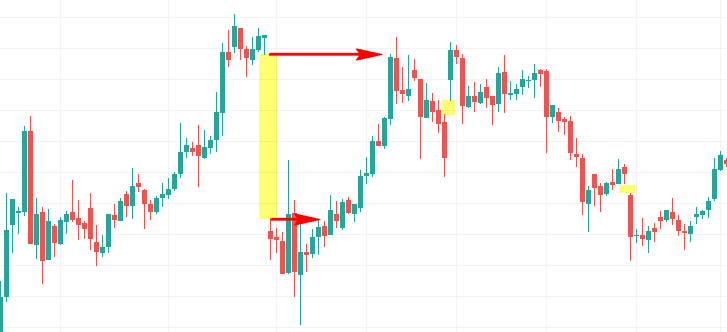 Analysis
CME Gaps Explained: How They Impact Bitcoin Price and Trading Strategies
A CME gap is a blank space on the CME Bitcoin futures chart left when Bitcoin moves while CME is closed, usually over the weekend. Traders watch gaps because price often returns to fill them, and unfilled gaps tend to act as support or resistance. Some gaps stay open for months or years, so treat gap-fill as a tool, not a guarantee.
Heidi ChakosMiningMiningStart Crypto Mining Today: Every Beginner Needs to Know 2025
Beginners can still mine crypto now, but not Bitcoin profitably at home. Start with a CPU or GPU coin, work out your electricity cost per kWh before buying anything, and treat mining as a paid hobby rather than an income plan. Mined coins are usually taxable at receipt, so keep records from day one.
Heidi ChakosFundamentalsFundamentalsCrypto AI Agents: Transforming Blockchain with Intelligent Automation
Crypto AI agents are software programs that pair machine learning with wallets and smart contracts so they can trade, manage DeFi positions, vote in DAOs or run on-chain services with little human input. The technology is real and improving, but most agent tokens are highly speculative, and any agent holding your keys is a security risk you must contain.
Heidi Chakos