
Market & on-chain analysis
Analysis is how you turn data into decisions: on-chain flows, tokenomics, whale behaviour, and structured DYOR. These guides teach frameworks you can reuse every cycle.
 Analysis
Spot Trading in Crypto: What It Is and How It Works
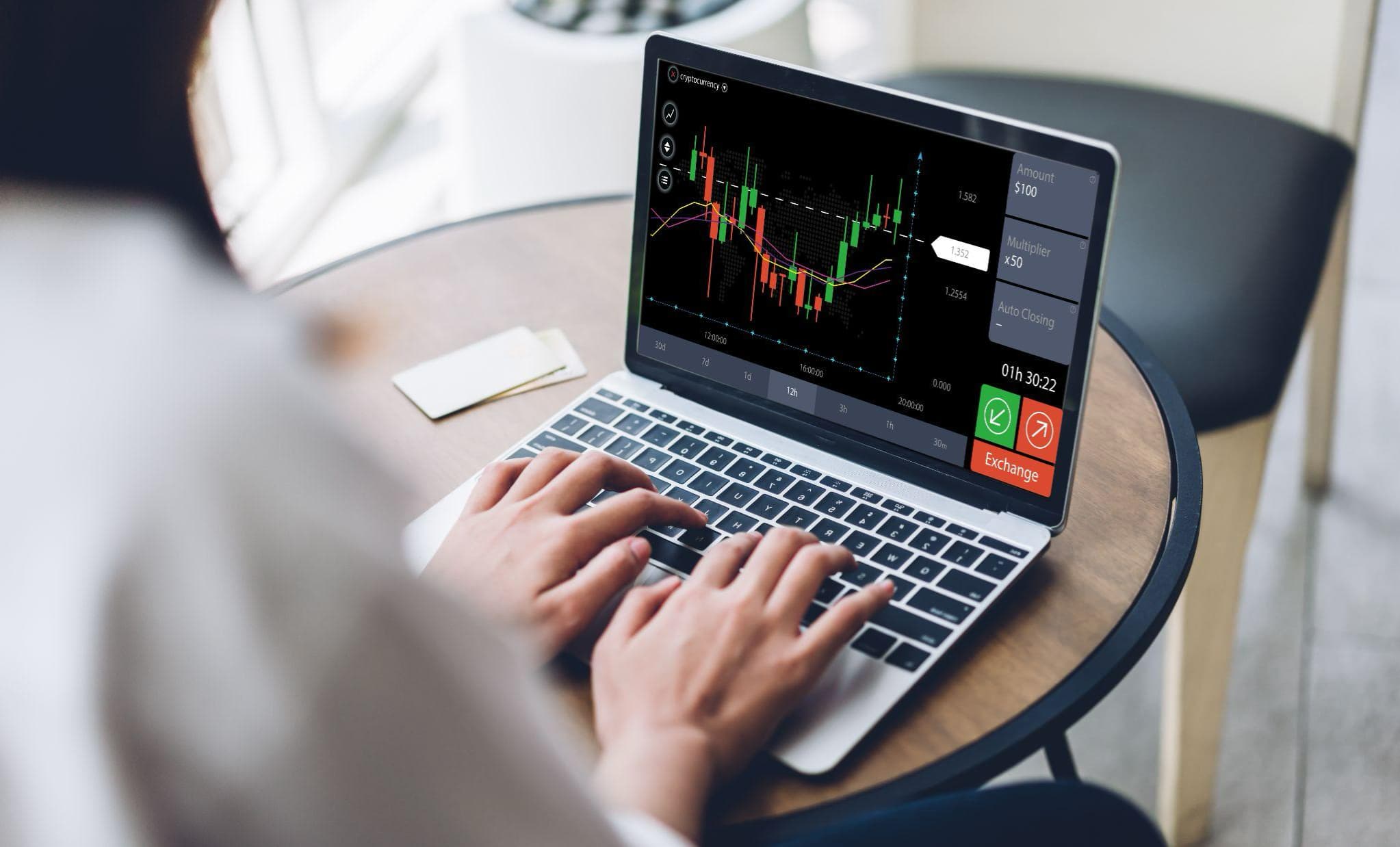
Spot trading in crypto is buying and selling cryptocurrency for immediate delivery at the current market price, using only your own money. You own the actual coins, there is no expiry date, and you cannot lose more than you put in, which makes it the safest way to trade actively. Trades match through an exchange order book using market, limit, stop or take-profit orders.
Toby CunninghamAnalysis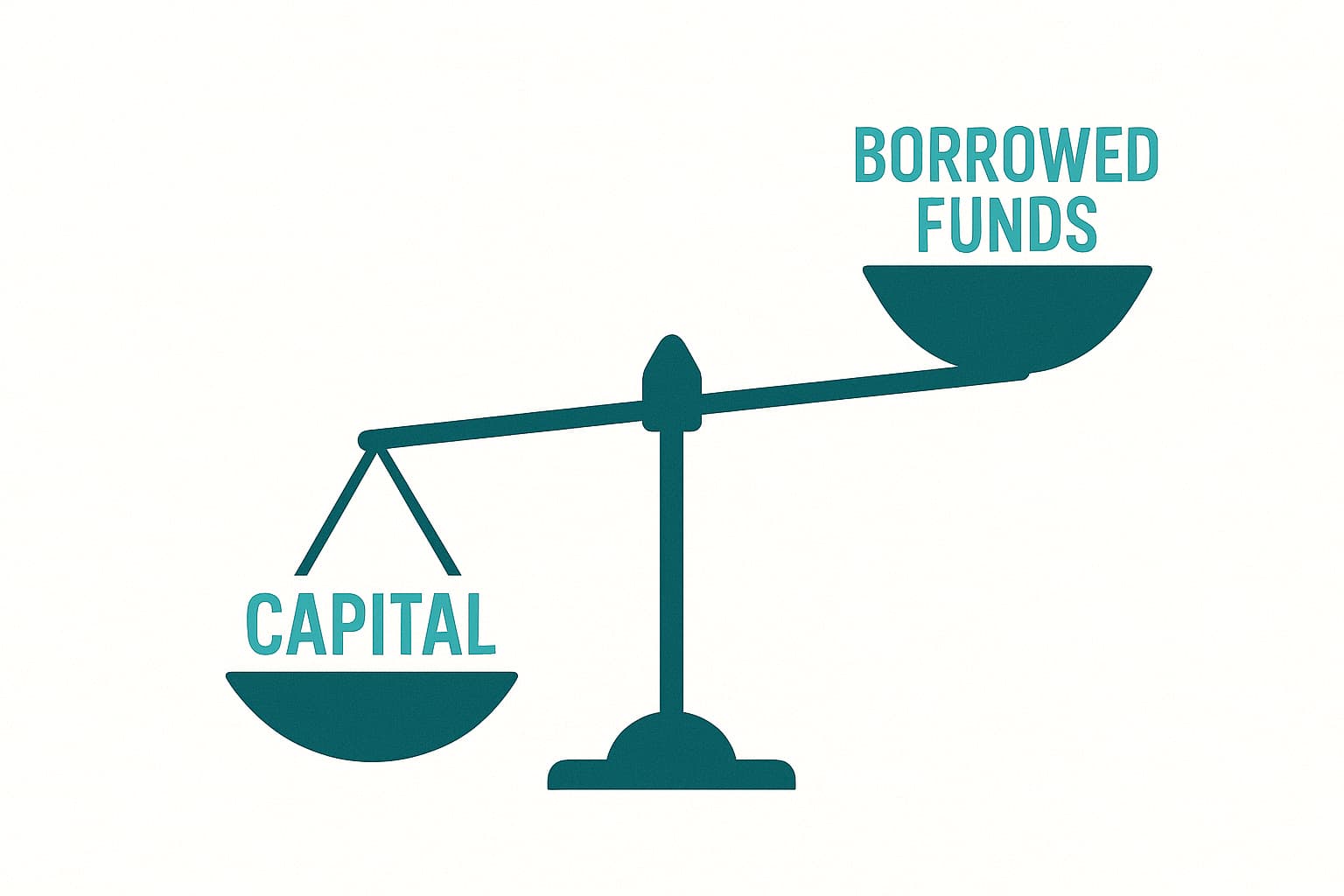 Analysis
What Is Leverage Trading in Crypto? Pros, Cons, and How It Works
Leverage trading in crypto means borrowing from an exchange to control a position larger than your deposit, from 2x to 100x. Gains and losses are multiplied equally: at 10x a 5% move earns or costs half your margin, and a 10% drop liquidates the whole position. Funding fees accrue every 8 hours. For most beginners it is a fast route to zero.
Toby CunninghamAnalysis Analysis
What Is a Long Position in Crypto Trading?
A long position in crypto means buying a cryptocurrency because you expect its price to rise; you profit if it climbs and lose if it falls. A spot long uses only your own money and caps your loss at what you invested. A leveraged long borrows from an exchange to multiply the position, from 2x to 100x, which multiplies losses and risks liquidation.
Toby CunninghamFAQ
What is on-chain analysis?
Reading blockchain data — transfers, exchange flows, holder distribution — to understand what large players and networks are actually doing, not just what price did.
How does this connect to Learning Crypto tools?
Guides teach the frameworks. Members use the Satoshi Indicator, Daily Brief, and Ask Crypto for ongoing signals and Q&A on top of that foundation.